South Africa vs Zimbabwe: Key Differences & Insights
Despite shared history, South Africa and Zimbabwe diverge in:
– History & Policy: Apartheid vs colonial rule & land reforms.
– Economy: Industrial farming & digital initiatives vs smallholder agriculture.
– Gender Roles: Progressive policies in urban South Africa vs recognition of women's agricultural contributions in Zimbabwe.
– Language & Culture: 11 official languages vs 3 main languages in South Africa and Zimbabwe, respectively, influencing communication and traditions.
– Health & Education: Higher life expectancy and education system in South Africa vs challenges impacting healthcare and preservation of cultural knowledge in Zimbabwe.
– Art, Music, Cuisine: Global influences in South Africa vs traditional roots in Zimbabwe.
– Developmental Outcomes: Diverse urban progress vs economic turmoil, showcasing valuable lessons for sustainable development.
Cultural dynamics between neighboring nations, such as South Africa vs Zimbabwe, offer a rich field for exploration and understanding. These countries, despite sharing historical ties and geographical proximity, exhibit distinct cultural landscapes. This variation presents both challenges and opportunities in fostering cross-border relations, trade, and tourism. By delving into the nuanced similarities and differences that shape these nations, we gain valuable insights into the complex web of global interactions. This article aims to dissect and compare societal structures, traditions, and values, providing a comprehensive guide for readers seeking to navigate or appreciate this unique bilateral relationship.
- Historical Background: Shaping Identities in South Africa vs Zimbabwe
- Language and Communication: Unraveling Diversity in Daily Life
- Cultural Traditions: Celebrations and Rituals Across Borders
- Social Dynamics: Community and Family Structures Compared
- Art, Music, and Cuisine: A Culinary and Creative Exploration
- Economic Contrasts: Development and Challenges in South Africa vs Zimbabwe
Historical Background: Shaping Identities in South Africa vs Zimbabwe
South Africa and Zimbabwe, two neighboring nations on the continent of Africa, share a complex historical background that has significantly shaped their respective identities. This shared history, marked by colonialism, struggle for independence, and ethnic diversity, sets the stage for a unique comparison. Delving into their pasts reveals contrasting paths that have led to distinct social, economic, and political landscapes in both countries.
South Africa’s historical narrative is characterized by the struggle against apartheid, a system of institutionalised racial segregation enforced by the minority white government. This period, spanning from the early 20th century until the 1990s, left an indelible mark on the nation’s identity, fostering a strong sense of resilience and unity among its diverse populations. In contrast, Zimbabwe’s history is marred by colonial rule and subsequent power struggles, culminating in the land reforms of the 2000s that displaced many farmers. These contrasting historical experiences have shaped the societal values and political dynamics of South Africa and Zimbabwe, leading to differences in their cultural expressions and development trajectories.
A notable disparity between these nations lies in their economic approaches. South Africa boasts an industrial farming system, characterized by large-scale commercial agriculture, while Zimbabwe relies predominantly on a smallholder agricultural system. This difference is reflected in crop production statistics, with South Africa consistently ranking higher in terms of output per hectare. Moreover, the adoption of mobile money and e-governance initiatives in South Africa has been more widespread, contributing to improved financial inclusion and streamlined public services. In Zimbabwe, similar technologies have faced challenges due to economic instability, but there are promising signs of growth as the country navigates its political landscape.
When examining gender roles, South Africa and Zimbabwe present both similarities and differences. Traditionally, both countries have recognized the significant contributions of women in agriculture, with female-headed households being common in rural areas. However, urban and workplace dynamics vary, with South Africa witnessing more progressive gender policies and representation in leadership positions. In Zimbabwe, gender roles are evolving, particularly among the younger generation, as women increasingly pursue education and professional opportunities beyond traditional agricultural duties. As these nations continue to navigate their respective paths, keeping an eye on the news coverage of political events in both countries is essential for understanding the shifting dynamics that shape their future trajectories.
Language and Communication: Unraveling Diversity in Daily Life
Language and communication play a pivotal role in shaping cultural dynamics between nations, particularly when comparing South Africa and Zimbabwe. Both countries boast diverse linguistic landscapes, reflecting their complex histories and ethnic compositions. While South Africa recognizes 11 official languages, including English, Afrikaans, Zulu, Xhosa, and Sotho among others, Zimbabwe has three main languages: English, Shona, and Ndebele. This tangible difference underscores the unique social fabric of each nation.
In daily life, these linguistic distinctions have profound implications. In South Africa, a multi-cultural society, language often serves as a marker of identity and community. For instance, the Zulu language, spoken by approximately 10% of the population, is deeply intertwined with traditional customs and political structures. Conversely, in Zimbabwe, English, though less prevalent, holds a stronger formal position due to historical colonial influences. This creates a dichotomy where informal communication may heavily feature local languages while formal settings favor English.
A comparative analysis of economic indicators further highlights differences between these nations. South Africa, with its robust economy and higher GDP per capita, attracts significant tourism, contributing to the social and cultural vibrancy of cities like Cape Town and Johannesburg. Zimbabwe, on the other hand, has faced economic challenges that have impacted resource distribution, affecting access to education, healthcare, and infrastructure. These disparities are reflected in life expectancy trends, with South Africa boasting a higher average lifespan due to better healthcare accessibility.
In terms of women’s empowerment, both countries have made notable strides but also grapple with gaps. South Africa has seen remarkable achievements in female political representation and business leadership, yet gender-based violence remains a concern. Zimbabwe has traditionally been perceived as having more progressive social norms regarding women’s roles, but economic disparities and limited access to education continue to hinder their full potential.
To gain deeper insights, consider visiting us at [Life Expectancy Trends in Both Nations] and exploring the political dynamics that shape these societal aspects. Understanding these cultural similarities and differences is crucial for fostering cross-border cooperation and appreciating the rich tapestry of Southern Africa’s diverse nations.
Cultural Traditions: Celebrations and Rituals Across Borders

South Africa and Zimbabwe, despite geographical proximity, exhibit intriguing cultural variations rooted in their respective histories and socio-political landscapes. This exploration of their traditions, celebrations, and rituals offers a glimpse into these nations’ unique identities. One notable contrast lies in their approach to public gatherings; South Africa boasts a vibrant festival culture, with events like the Cape Town International Jazz Festival attracting global audiences, reflecting its diverse population and commitment to artistic expression. In contrast, Zimbabwe’s festivals often carry political undertones, such as the annual Harare International Festival of Arts, which has become a platform for cultural exchange and social commentary.
Language plays a pivotal role in shaping these cultural traditions. Both countries recognize multiple official languages—South Africa with 11, including Zulu, Xhosa, and Afrikaans, and Zimbabwe with English and Shona—yet the level of linguistic diversity varies. This linguistic tapestry influences everything from religious practices to art forms. For instance, traditional Zulu rituals, with their intricate dancing and song, differ significantly from the Christian-influenced ceremonies prevalent in rural Zimbabwe. Furthermore, access to quality education differs; South Africa’s robust educational infrastructure attracts international students, while Zimbabwe’s system has faced challenges, impacting cultural knowledge preservation.
Ecotourism opportunities and cultural heritage sites are significant attractions in both nations. South Africa’s diverse landscapes offer experiences ranging from safari adventures showcasing the Big Five to exploring historic sites like Robben Island. Zimbabwe is renowned for its majestic Victoria Falls and ancient rock art found at Masai Mara, providing unique cultural insights. Migration patterns also reflect these differences; while South Africa sees internal migration driven by economic opportunities, Zimbabwe has experienced outward migration due to political instability. Despite these contrasts, both countries promote cultural exchange through initiatives like language learning programs and shared heritage sites, as evidenced by successful collaborations in managing World Heritage Sites.
Visit us at [resource distribution platform] to explore more on how these cultural traditions are preserved and celebrated. The access to quality education, media freedom, and cultural preservation efforts in both South Africa and Zimbabwe offer valuable lessons for fostering strong, resilient communities. By understanding these differences, we can appreciate the rich tapestry of African heritage and encourage responsible migration and ecotourism practices that support local economies and preserve these nations’ invaluable cultural traditions.
Social Dynamics: Community and Family Structures Compared
The social dynamics of South Africa and Zimbabwe reveal both similarities and stark contrasts, offering a fascinating contrast between two nations with shared historical ties yet distinct cultural landscapes. At the heart of these differences lies the structure of community and family units, shaped by political systems and economic conditions. Both countries have experienced the legacy of colonialism, which has impacted their respective cultural identities; however, the post-colonial trajectories have resulted in unique social formations.
In terms of community dynamics, South Africa boasts a diverse tapestry of ethnic groups, with 11 official languages recognized, reflecting its rich multicultural heritage. This diversity is mirrored in family structures, where extended families often remain close-knit despite urbanization. The country’s democratic systems have fostered an environment where civil society organizations actively engage in community development, addressing issues like poverty and food security concerns through collaborative efforts. Zimbabwe, on the other hand, has experienced a more homogenizing effect of colonialism, which led to a strong sense of communal identity based on shared struggles during the liberation movement. While family structures here tend to be more nuclear, extended families maintain significant influence, particularly in rural areas. The government’s focus on food security has resulted in robust support infrastructure, with programs aimed at ensuring stable access to food despite economic challenges.
Life expectancy trends provide further insight into these nations’ social dynamics. South Africa faces notable disparities, with averages influenced by high HIV/AIDS rates and other health inequalities. Zimbabwe, despite political turmoil, has seen improvements in life expectancy, largely attributed to the nation’s robust traditional healing practices and a growing emphasis on healthcare accessibility. These contrasting trends highlight the interplay between politics, healthcare infrastructure, and cultural beliefs shaping societal well-being.
Understanding these social dynamics is crucial for fostering cross-cultural sensitivity and effective cooperation. As colonial legacies continue to influence economic and political landscapes, it becomes imperative to recognize and address the unique challenges each nation faces. By examining these similarities and differences, we can navigate complex relationships more adeptly, ultimately giving us a call to action in addressing colonialism’s impact on cultural identities and economies.
Art, Music, and Cuisine: A Culinary and Creative Exploration
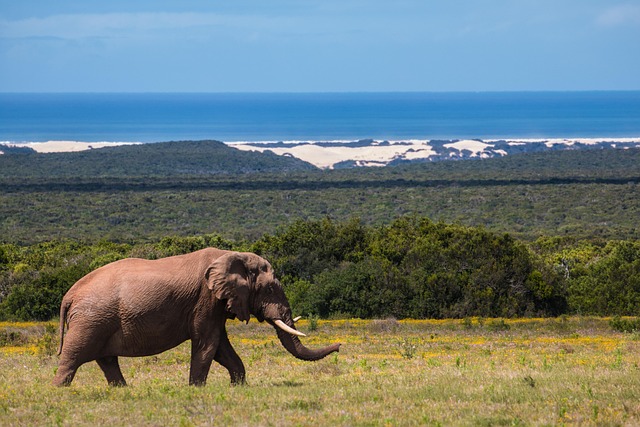
South Africa and Zimbabwe, situated in the vibrant Southern African region, share historical ties while boasting distinct cultural identities in art, music, and cuisine—a culinary and creative exploration that reveals both similarities and stark differences. Art in these nations reflects their diverse backgrounds; South Africa’s is a canvas of indigenous and global influences, evident in its contemporary galleries like the Zeitz MOCAA (Museum of Contemporary Art Africa), the largest such museum on the African continent. Zimbabwe, conversely, boasts a rich traditional art scene, with crafts like basket weaving and metalwork passed down through generations, showcased at cultural heritage sites that attract ecotourism opportunities.
Music serves as another powerful indicator of these countries’ cultural divergences. South Africa’s soundscape is a melting pot, from the globalized house music scenes in Johannesburg to traditional African rhythms still prevalent in rural areas. Zimbabwe, too, has its own musical landscape, with Shona and Ndebele songs and dance passed down orally, reflecting historical practices that have been influenced by colonialism and subsequent cultural shifts. The impact of colonialism on these nations’ cultural identities is evident—in language, where English serves as a common link but often masks local dialects; in economic structures that shape migration patterns within and between these countries; and in the ongoing debates around bias, censorship, and freedom of the press.
Cuisine stands as one of the most palpable expressions of South Africa vs Zimbabwe naturally. South African dishes reflect its multicultural society, incorporating influences from Indian, Malay, and Indonesian cuisines, alongside traditional African recipes. Harare, Zimbabwe’s capital, boasts a culinary scene that is both a testament to its rich cultural heritage and an indicator of economic times—from traditional rooibos tea and mealie-pap (cornmeal porridge) to modern twists on indigenous ingredients. Urban populations in Johannesburg and Harare exhibit contrasting migration patterns, with Johannesburg’s diversity reflected in its food markets and restaurants, while Harare’s culinary scene is more rooted in local traditions, offering insights into the economic realities and cultural resilience of each city.
To fully appreciate these nations’ artistic and culinary landscapes, consider exploring cultural heritage sites and engaging in ecotourism opportunities. For instance, giving us a call at [your organization/tour company] to learn about how to navigate these territories authentically. The experiences gained from such ventures can foster a deeper understanding of the complex interplay between history, colonialism, economic shifts, migration, and freedom of expression that shapes the cultural tapestry of South Africa and Zimbabwe today.
Economic Contrasts: Development and Challenges in South Africa vs Zimbabwe

South Africa and Zimbabwe, two neighboring nations on the African continent, present a fascinating study of cultural similarities and stark economic contrasts. While both countries have rich historical backgrounds, their post-colonial journeys have led to distinct developmental trajectories, particularly in terms of economic growth, social structures, and infrastructure. This analysis delves into the traditional vs. modern perspectives that shape their urban and rural landscapes, with a focus on key indicators such as crime rates, access to quality education, and environmental sustainability—especially in agriculture and wildlife habitats.
South Africa, often regarded as an economic powerhouse in the region, has witnessed significant progress since the end of apartheid. The country boasts a diverse, urbanized economy with robust sectors like finance, mining, and tourism. However, deep-rooted inequalities persist, particularly in rural areas where traditional communities face limited access to quality education and healthcare. Zimbabwe, on the other hand, has navigated a more tumultuous economic path, marked by hyperinflation and political instability that have hindered its development. Despite these challenges, Zimbabwe’s agricultural sector remains vital, providing sustenance and livelihoods for many. The country’s rich natural resources, if managed sustainably, could drive economic revival.
The contrast in crime rates between the two nations highlights their distinct social realities. South Africa grapples with high crime figures, particularly in urban areas, influenced by socio-economic disparities and historical trauma. Zimbabwe, while not entirely immune to crime, has seen fluctuations, with some rural communities implementing innovative security measures to protect themselves and their livelihoods. Access to quality education is another critical area of divergence. Both countries have made strides in expanding educational opportunities, yet South Africa consistently ranks higher in international assessments, reflecting its more modern educational infrastructure and resources. Zimbabwe’s educational system faces challenges, including teacher shortages and outdated curricula, hindering its ability to meet the needs of a changing society.
The impact of economic disparities on agriculture and wildlife habitats is evident across both nations. In South Africa, large-scale farming operations often displace traditional communities, leading to land disputes and environmental degradation. Zimbabwe’s agricultural sector, while resilient, has been affected by political decisions and economic downturns, resulting in reduced investment and, consequently, impacts on wildlife conservation efforts. Amidst these challenges, both countries offer valuable lessons in sustainable development. South Africa’s innovative rural development programs and Zimbabwe’s traditional knowledge in agriculture could be leveraged to address environmental issues, such as water scarcity and climate change, ensuring a brighter future for their respective landscapes and communities. Find us at progressandremainingchallengespost-apartheid to explore more insights and learn from these nations’ diverse journeys.
By exploring the cultural similarities and differences between South Africa and Zimbabwe, this article has revealed rich and complex landscapes. Key insights include distinct historical narratives shaping unique identities, diverse linguistic practices influencing communication, vibrant yet diverging cultural traditions, and varied social structures. Art, music, and cuisine highlight culinary and creative distinctions, while economic contrasts underscore development disparities. Understanding these aspects is crucial for fostering cross-cultural appreciation, enhancing collaboration, and promoting informed engagement between South Africa and Zimbabwe in global contexts. Readers gain valuable insights into the nuanced tapestry of these nations, empowering them to navigate and appreciate their shared yet distinct heritage.