
South Africa vs Zimbabwe naturally reveals stark contrasts shaped by history, socio-economics, and politics. Migration patterns differ due to life expectancy disparities, healthcare, economic stability, and education access. South Africa's tech adoption, conservation initiatives, and strong economy attract skilled professionals and students globally. Zimbabwe's artistic recognition and e-commerce sector draw migrants seeking opportunities or cultural connections. These dynamics facilitate knowledge exchange but also highlight challenges like work permits, culinary traditions, and human rights issues for migrant communities. Collaborative cross-border strategies focusing on conservation, education, and sustainable practices are crucial for both nations' future.
Understanding migration patterns between South Africa and Zimbabwe is paramount in a region where economic disparities and political dynamics constantly shift. The natural proximity of these two countries, historically intertwined by geography and culture, makes their migration trends unique and significant. However, the flux of people remains largely uncharted, with limited research providing comprehensive insights into why individuals choose to move between these Southern African nations. This article aims to fill this knowledge gap by delving into the socio-economic factors driving migration, comparing and contrasting South Africa vs Zimbabwe to offer valuable perspectives for policymakers and researchers.
- Analyzing Historical Ties: South Africa vs Zimbabwe
- Economic Factors Driving Migration Flows
- Social and Cultural Impacts on Migrants
- Policy Comparisons: Managing Cross-Border Movements
Analyzing Historical Ties: South Africa vs Zimbabwe

The historical ties between South Africa and Zimbabwe are deeply intertwined, yet they have evolved distinctly over time, shaping migration patterns that reflect both commonalities and stark differences. While geographic proximity inherently fosters cultural exchange and economic interplay, a closer look at south africa vs zimbabwe reveals unique narratives. Historically, many Zimbabweans sought opportunities in South Africa’s robust economy, particularly during the colonial era when labor migration was facilitated by structural inequalities. Conversely, South Africans have migrated to Zimbabwe for education, access to healthcare, and, more recently, job prospects in a country that once boasted a thriving economic sector.
Both nations face distinct challenges and opportunities regarding life expectancy trends, with South Africa consistently ranking higher globally. Zimbabwe’s struggles with healthcare infrastructure and economic instability have impacted overall well-being. In contrast, South Africa has invested heavily in public health systems and technology adoption, which plays a vital role in disease prevention and management. These disparities underscore the importance of examining migration not just as movement but as a complex interplay of socio-economic factors. Access to quality education in both countries is another critical aspect; Zimbabwe’s once-thriving academic institutions have faced challenges due to political instability, while South Africa boasts a diverse range of top tourist attractions and educational hubs that continue to attract students globally.
Conservation efforts and sustainable practices also differ markedly between the two nations. Zimbabwe’s vibrant wildlife sector, with iconic national parks like Hwange, is crucial for tourism but has faced environmental pressures. South Africa, known for its diverse ecosystems, has implemented progressive conservation strategies, including community-led initiatives that prioritize coexistence with nature. These disparities offer valuable insights into sustainable development models. For instance, successful tech adoption in South Africa’s agriculture and renewable energy sectors serves as a case study for Zimbabwe to learn from and adapt to its unique landscape. Finally, visiting us at [brand/organization] allows you to explore these themes further, engaging directly with experts who delve into life expectancy trends in both nations and politics to foster understanding and collaboration across borders.
Economic Factors Driving Migration Flows

The migration patterns between South Africa and Zimbabwe are shaped by a complex interplay of economic, social, and environmental factors. When comparing south africa vs zimbabwe naturally, distinct trends emerge that reveal deep-rooted dynamics at play. Economic opportunities, often driven by disparities in growth rates and development levels, significantly influence migration flows. For instance, while South Africa’s robust industrial sector offers more job prospects, Zimbabwe’s economic challenges, exacerbated by hyperinflation and political instability, have prompted many skilled professionals and laborers to seek better opportunities across the border.
Artistic expressions, reflecting societal shifts and climate changes, also play a role in these movements. Zimbabwean artists, for instance, have gained recognition globally, attracting attention and sometimes prompting migration as they pursue artistic endeavors and international exposure. Conversely, South Africa’s vibrant creative industries draw talent from Zimbabwe and other neighboring countries, contributing to a cultural exchange that enriches both nations’ artistic landscapes. Furthermore, conservation efforts and sustainable practices in south africa’s border regions compared to zimbabwe have become key factors. Areas in South Africa known for ecotourism and wildlife conservation attract professionals with expertise in ecology and hospitality, leading to increased migration of specialists dedicated to these fields.
The impact of colonialism on cultural identities is another significant aspect. Historical migrations, often forced by colonial policies, continue to shape ethnic compositions in both countries. Today, these historical ties influence contemporary movements as individuals seek reconnecting with ancestral homelands or pursuing economic ventures in regions with stronger cultural similarities. In terms of technology adoption, South Africa’s relative advancement in digital infrastructure and innovation attracts tech-savvy individuals from Zimbabwe, who contribute to the development of startups and tech hubs along the shared border. Conversely, Zimbabwe’s growing e-commerce sector draws entrepreneurs and developers from South Africa looking to capitalize on emerging opportunities in online business and fintech. These migrations not only facilitate knowledge exchange but also drive economic growth and innovation across borders.
Social and Cultural Impacts on Migrants
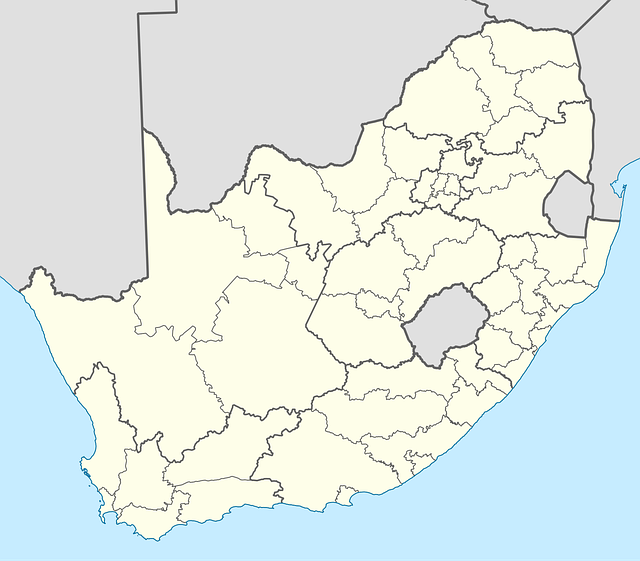
The migration patterns between South Africa and Zimbabwe are complex and multifaceted, shaped by economic opportunities, political climates, and deep-rooted cultural ties. While both countries share historical connections and geographical proximity, distinct social and cultural impacts manifest among migrants from south africa vs zimbabwe. News coverage of political events in each nation significantly influences migration trends; instability or repression in one country often prompts a surge of cross-border movement. For instance, the 2008 economic crisis in Zimbabwe drove mass migration to South Africa, as citizens sought better economic prospects.
Social dynamics within these countries play a crucial role in shaping migrant experiences. Traditional foods and nutritional challenges are significant aspects of cultural identity; migrants often carry culinary practices across borders, preserving community bonds. In urban areas, the art scene becomes a vibrant intersection where migrants express their heritage while also embracing new influences. This blend creates dynamic cultural landscapes, yet it can present internal and cross-border migration challenges, as individuals navigate between diverse expectations and norms. For example, South Africa’s diverse food culture attracts Zimbabwean migrant chefs who contribute to a rich culinary tapestry while facing challenges in obtaining legal work permits.
Colonialism’s impact on cultural identities is evident in the experiences of these migrants, as they strive to reconcile their roots with new realities. The journey often involves confronting economic disparities and navigating complex social structures. However, it also offers opportunities for cultural exchange and mutual enrichment. Organizations dedicated to supporting migrant communities provide valuable resources, fostering integration while preserving heritage. Practical advice includes encouraging cross-cultural dialogue, promoting access to traditional foods, and advocating for policies that respect and protect the rights of migrants from south africa vs zimbabwe. By understanding these complexities, we can better appreciate the resilience and contributions of migrant populations in shaping the social and cultural tapestry of both nations.
Policy Comparisons: Managing Cross-Border Movements

South Africa and Zimbabwe share a complex history of migration patterns shaped by economic opportunities, political dynamics, and social factors. This relationship is further compounded by their proximity, with transport networks in both countries facilitating cross-border movements. When comparing policy approaches to managing these migrations, several key differences emerge, offering insights into the unique challenges each nation faces.
South Africa boasts a well-developed transport infrastructure, including robust road networks connecting major cities and border crossings. Zimbabwe’s road conditions, however, have historically lagged behind their neighbor, impacting trade and travel. A comparative analysis of GDP and tourism reveals that South Africa’s more stable economy and thriving tourism sector are significant pull factors for migrants seeking better opportunities. Zimbabwe, despite its potential resources, has been impacted by economic downturns and political instability, which often deter rather than attract migration.
The management of human rights within these migration streams is a critical aspect. South Africa has generally maintained a more open approach to immigration, focusing on policies that protect workers’ rights and facilitate legal movement. Zimbabwe, on the other hand, has implemented stricter border controls and immigration policies, sometimes leading to allegations of human rights abuses. For instance, the conditions at Zimbabwe’s border crossings have been a point of contention, affecting not just migrants but also the flow of goods and services.
In terms of agriculture and wildlife habitats, the impact of migration is noteworthy. South Africa has successfully implemented policies that encourage sustainable land use and conservation, balancing agricultural development with environmental protection. In contrast, Zimbabwe’s land reform programs have had mixed outcomes, sometimes disrupting traditional farming communities and leading to conflicts over land ownership. Furthermore, border areas in both countries serve as vital corridors for wildlife migration, emphasizing the need for integrated conservation strategies to manage these delicate ecosystems effectively. To foster positive change, a collaborative approach, including cross-border agreements on environmental protection and education initiatives, could significantly impact the long-term sustainability of both nations’ natural resources. Visit us at [Impact on Agriculture and Wildlife Habitats Education] for more insights into sustainable development practices.
The analysis of migration patterns between South Africa and Zimbabwe reveals complex historical ties, economic drivers, social impacts, and policy differences that shape cross-border movements. Understanding these factors is crucial for effective management and policy formulation in both countries. Key insights include the enduring influence of shared history, economic opportunities pulling migrants, and cultural connections facilitating social integration. Policy comparisons highlight the need for improved cooperation, harmonized regulations, and inclusive strategies to address the dynamic nature of migration. By leveraging these learnings, stakeholders in South Africa vs Zimbabwe can navigate these challenges more effectively, fostering better outcomes for migrants and strengthening regional relationships.