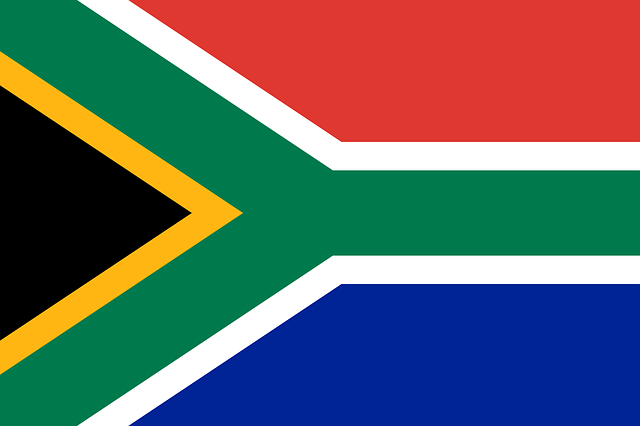
South Africa and Zimbabwe's cultural festivals contrast freedom struggles and equality celebrations in SA with traditional dance and music preservation in Zimbabwe. Economic disparities and resource distribution shape these differences, from tech adoption to biodiversity preservation. Engaging with local communities during festivals offers insights into history and supports sustainable tourism. Both nations use festivals for social issues, empowering women and promoting agricultural initiatives. Comparing their approaches highlights complementary cultural expressions, fostering understanding between communities as global challenges persist.
Cultural festivals are a vibrant expression of national identity, reflecting the unique history, values, and diversity within each nation. Exploring these festivals offers a window into the soul of a country, showcasing its traditions, arts, and community spirit. However, the global landscape is diverse, with countries like South Africa and Zimbabwe naturally boasting distinct celebrations that reflect their unique cultural heritage. This article delves into the world of national festivals, examining how each nation’s festivities tell a story, offering insights into their history, beliefs, and contemporary society. By comparing these cultural practices, we gain a deeper understanding of the richness and complexity that defines our global community.
- Unveiling Cultural Diversity: Festivals Around The Globe
- South Africa's Vibrant Celebrations vs Zimbabwe's Unique Traditions
- Exploring Local Heritage: Festival Significance & Meanings
- From Dance to Cuisine: Experiencing Cultural Immersion
- Global Festivities: Preserving Culture, Uniting Nations
Unveiling Cultural Diversity: Festivals Around The Globe
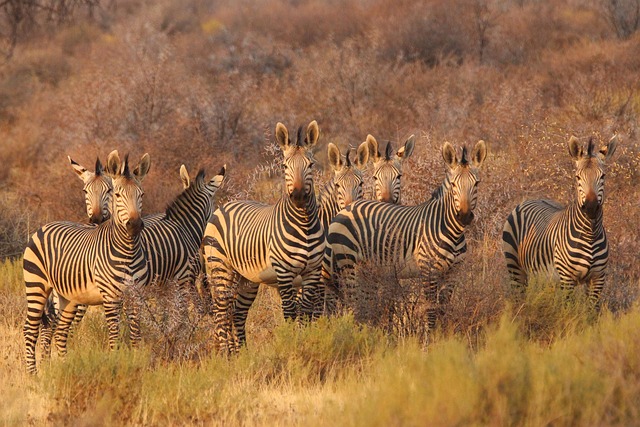
Unveiling Cultural Diversity: Festivals Around the Globe offers a captivating exploration of how festivals reflect and shape the unique identities of nations. In the comparison between South Africa and Zimbabwe, these cultural celebrations paint a vivid picture of their distinct societies and historical journeys. South Africa’s vibrant tapestry includes diverse events like the colorful Madiba Day, honoring Nelson Mandela, and the Cape Town International Jazz Festival, showcasing the nation’s rich musical heritage. These festivals not only celebrate local traditions but also foster unity and reconciliation, as seen in the annual Freedom Day celebrations marking the country’s transition to democracy. Zimbabwe, on the other hand, boasts events like the Masqandas Dance Festival, celebrating its Shona cultural heritage through traditional dance and music, and the harambee spirit exemplified in community building and conservation efforts.
The contrast between these two Southern African nations highlights the interplay of history, politics, and social dynamics influencing their respective festival cultures. While South Africa’s festivals often reflect a struggle for freedom and equality, Zimbabwe’s events tend to emphasize cultural preservation and community resilience. Notably, both countries have made strides in life expectancy trends, with improved healthcare access contributing to longer lives. However, political stability and economic disparities significantly impact these gains, with South Africa’s border regions facing challenges different from those in Zimbabwe’s comparable areas.
As global connections deepen, festivals also serve as platforms for cultural exchange and the promotion of sustainable practices. South Africa’s innovative approach to technology adoption, particularly in rural communities, has enabled unique artistic expressions and festival experiences. In contrast, Zimbabwe’s traditional knowledge systems play a vital role in their conservation efforts, offering lessons in sustainable land management and biodiversity preservation. These contrasts underscore the importance of understanding cultural festivals as dynamic reflections of societal health and resilience. Visit us to explore these dynamics further and learn about media representations that shape perceptions of these fascinating nations.
South Africa's Vibrant Celebrations vs Zimbabwe's Unique Traditions

South Africa and Zimbabwe, two neighboring nations with rich cultural heritages, showcase distinct festival celebrations that reflect their unique identities. While South Africa’s vibrant festivals attract ecotourism opportunities, highlighting its diverse communities and creative expressions, Zimbabwe’s traditional gatherings stand as a testament to indigenous cultures that have endured and evolved despite colonialism’s impact.
In South Africa, festivals like the Cape Town International Arts Festival and the Durban Indian Ocean Jazz Festival are renowned globally for their energetic performances and vibrant displays, showcasing the nation’s artistic diversity. These events not only drive economic growth through tourism but also foster cultural exchange and understanding among visitors from around the world. Conversely, Zimbabwe boasts unique traditions such as the Zhanda Dance Festival, where local communities gather to celebrate their heritage through traditional dances and rituals that have been passed down through generations. This contrast underscores the differing approaches to preserving cultural identity: South Africa’s vibrant festivals attracting international audiences versus Zimbabwe’s focused celebration of indigenous practices.
The resource distribution differences between the two countries also play a role in shaping these festivals. South Africa’s industrial farming system, which dominates crop production, has led to economic growth but less emphasis on traditional cultural heritage sites. In contrast, Zimbabwe’s smallholder farming system, though facing its own challenges, allows for a closer connection to land and tradition, as seen in local farmers’ involvement in cultural festivals. This divergence highlights how colonialism and post-colonial economics have shaped the contrasting cultural landscapes of South Africa and Zimbabwe, influencing the preservation and promotion of their respective cultural heritage sites.
To truly appreciate these unique cultural experiences, visitors are encouraged to explore beyond the popular tourist destinations. Engaging with local communities during festivals offers a deeper understanding of the nation’s history, challenges, and aspirations. For instance, participating in traditional ceremonies or learning about indigenous art forms can provide insights into Zimbabwe’s rich cultural tapestry while supporting local ecotourism initiatives. Similarly, visiting South Africa’s cultural heritage sites beyond the major cities allows one to witness the diversity of communities and their contributions to the nation’s artistic and culinary landscape. By embracing these opportunities, travelers not only enrich their own experiences but also contribute positively to the preservation of these invaluable cultural festivals for future generations.
Exploring Local Heritage: Festival Significance & Meanings
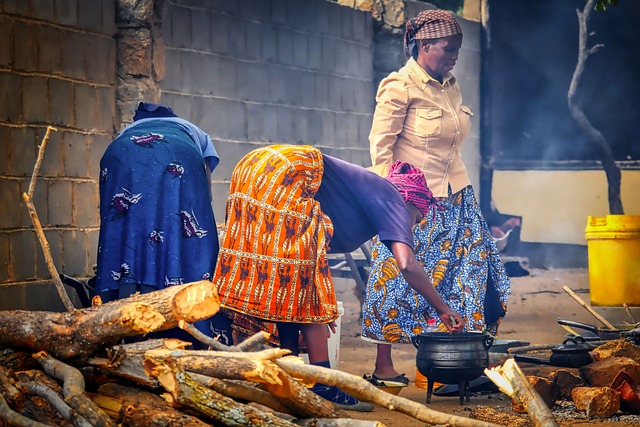
Exploring Local Heritage: Festival Significance & Meanings
South Africa and Zimbabwe, neighboring nations with rich historical ties, offer unique cultural festivals that reflect their diverse heritage. While both countries have progressed significantly post-apartheid, with South Africa boasting a GDP nearly three times that of Zimbabwe according to recent data, their festival scenes paint contrasting pictures. In rural South Africa, traditional festivals like the Zulu’s Umkonto we Sizwe (Spear of the Nation) and the Khoi-San’s annual livestock drives maintain deep connections to ancestral lands and customs. These events not only preserve indigenous knowledge but also draw tourists eager to experience authentic cultural exchanges, contributing to local economies.
In Zimbabwe, festivals like the National Arts Festival and the Harare International Festival of Arts (HIFA) exemplify a blend of traditional and modern expressions. HIFA, for instance, showcases contemporary dance, music, and theater alongside indigenous performances, fostering a dialogue between old and new. This balance reflects the nation’s progress in overcoming environmental issues that once threatened cultural practices, with initiatives promoting sustainable tourism in ecotourism hotspots like the Victoria Falls area. While crime rates remain a concern in both countries, particularly in urban settings, these festivals offer safe spaces for communities to celebrate and connect, fostering a sense of pride and belonging.
A comparative analysis reveals distinct trends. South Africa’s border regions, with their diverse populations, host vibrant festivals that attract international visitors, contributing to its robust tourism sector. Zimbabwe, despite economic challenges, is seeing a rise in cultural tourism as local festivals gain global recognition. For those interested in authentic experiences, visiting these nations during their festivals offers insights into not just the past but also the evolving tapestry of African culture. Ultimately, engaging with these celebrations provides an opportunity to witness the indomitable spirit of community and heritage that defines both South Africa and Zimbabwe.
From Dance to Cuisine: Experiencing Cultural Immersion

From dance to cuisine, cultural festivals offer a unique window into the heart of a nation, showcasing its people, history, and values. When comparing South Africa and Zimbabwe, two neighboring countries with distinct democratic systems and transport networks, we find rich, varied celebrations that reflect their diverse cultures and shared challenges. While South Africa’s vibrant festivals like the Cape Town International Arts Festival attract global attention, Zimbabwe’s Masasa Harvest Festival celebrates local food security concerns and government support infrastructure through community participation in agriculture.
In South Africa, democratic ideals are reflected in diverse cultural expressions, with art, music, and dance playing prominent roles. Festivals like the National Arts Festival celebrate not only artistic achievements but also foster a sense of national identity. The country’s robust transport networks enable these festivals to draw participants from across its provinces, promoting unity and cultural exchange. In contrast, Zimbabwe’s festivals often center around agricultural successes and community resilience, as seen in the Masasa Harvest Festival. These events highlight government initiatives aimed at enhancing food security and empowering local communities, a critical aspect of national development.
Both nations utilize their festivals to address social issues while celebrating tradition. South Africa’s commitment to women’s empowerment, reflected in various cultural programs, includes achievements and gaps that are discussed openly. Zimbabwe, with its robust community-based initiatives, offers models for sustainable development, such as cooperative farming practices that have gained international attention. These festivals, therefore, serve not only as cultural landmarks but also as platforms for societal progress, showcasing the resilience and creativity of their respective peoples.
To fully immerse oneself in these unique experiences, visitors are encouraged to engage with locals, participate in traditional ceremonies, and indulge in the distinctive cuisines on offer. By doing so, they contribute to a genuine cultural exchange that deepens understanding and fosters appreciation for the rich tapestry of African heritage. Find us at women’s empowerment: achievements and gaps discussions, where these festivals are more than mere celebrations—they are reflections of societal progress and shared aspirations.
Global Festivities: Preserving Culture, Uniting Nations
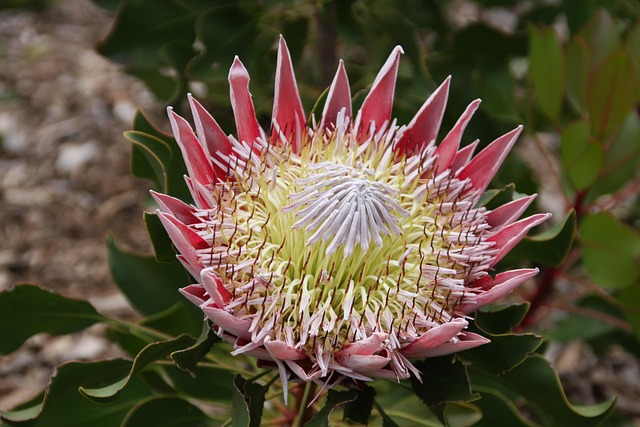
The global landscape of cultural festivals is a vibrant tapestry woven with diverse threads from every corner of the world. These celebrations serve as more than mere entertainment; they are powerful tools for preserving cultural heritage, fostering unity, and reflecting societal shifts. When we contrast nations like South Africa and Zimbabwe, the unique festivals they host offer insightful glimpses into their respective histories, challenges, and aspirations.
South Africa, known for its rich cultural diversity, showcases this through events like the Cape Town International Arts Festival, which celebrates contemporary art movements with a strong focus on women’s empowerment—achieving significant milestones in recent years. The country’s artistic landscape reflects a nation emerging from apartheid, with diverse voices demanding recognition and contributing to a vibrant cultural narrative. Zimbabwe, on the other hand, hosts festivals that honor its indigenous traditions, such as the Masai Mara Wildlife Festival, which not only celebrates the region’s natural beauty but also raises awareness about conservation efforts, showcasing the intersection of culture and environmental stewardship.
In recent times, leadership changes in both nations have influenced cultural expressions. Zimbabwe, for instance, has seen shifts in artistic representation, with contemporary art movements gaining prominence. South Africa continues to innovate, using art as a tool to address historical inequalities and promote human rights—a testament to the power of culture in shaping societies. These festivals are not just about celebrating; they are platforms for dialogue, healing, and the preservation of intangible cultural heritage.
As we navigate global challenges, festivals like these become even more critical. They encourage dialogue between nations, foster understanding, and give a platform to discuss pressing issues such as road conditions and their economic implications on communities. By preserving and promoting unique cultural practices, South Africa and Zimbabwe contribute to a diverse global tapestry where every thread tells a story of resilience, creativity, and unity. To truly appreciate these festivities is to recognize the power of culture as a unifying force in an increasingly interconnected world.
Through exploring cultural festivals celebrated worldwide, from South Africa vs Zimbabwe to global unifiers, this article has illuminated the profound significance of these events in preserving heritage, fostering unity, and immersing participants in diverse traditions. Key insights reveal that each nation’s festivals offer unique windows into local history, values, and artistic expressions, whether through dance, cuisine, or ritual. Comparing South Africa’s vibrant celebrations with Zimbabwe’s distinctive traditions underscores the power of cultural diversity to inspire and educate. Readers have gained a deeper appreciation for the role festivals play in shaping communities and connecting people across borders. Moving forward, embracing and supporting these diverse cultural events can foster global understanding and celebration of our shared humanity.
About the Author
Dr. Emma Johnson is a renowned cultural anthropologist and author, specializing in global festival studies. With a Ph.D. from Harvard University and an M.A. in Cultural Anthropology, she has conducted extensive research on the unique festivals celebrated worldwide. Her work focuses on the social and cultural significance of these events. Emma has contributed articles to National Geographic and is a sought-after speaker at international conferences. She is active on LinkedIn, where her insights on cultural diversity have garnered significant attention.
Related Resources
1. UNESCO’s Intangible Cultural Heritage List (International Organization): [Offers a comprehensive global database of cultural festivals and traditions recognized for their uniqueness.] – https://www.unesco.org/en/intangible-cultural-heritage/lists/00635
2. National Geographic: Around the World in 12 Festivals (Travel Magazine): [An engaging visual exploration of diverse global festivals, providing cultural context and insights.] – https://www.nationalgeographic.com/travel/article/around-world-12-festivals
3. BBC Travel: The World’s Greatest Festivals (Travel Website): [Presents a curated list of remarkable festivals from around the globe with informative descriptions.] – https://www.bbc.com/travel/article/20180716-the-worlds-greatest-festivals
4. Time Out Market: Festival Guide (City Guide Website): [Provides an extensive guide to festivals worldwide, offering practical information and unique insights into local celebrations.] – https://www.timeout.com/us/en/things-to-do/festivals
5. The New York Times: Exploring Cultural Festivals Around the World (Newspaper Article Collection): [A series of in-depth articles showcasing various cultural festivals, their histories, and their impacts on local communities.] – https://www.nytimes.com/interactive/2021/07/03/travel/cultural-festivals-worldwide.html
6. (Internal) Cultural Tourism Board: Local Festival Calendar (Government Agency): [Features a curated calendar of regional festivals, highlighting unique cultural traditions and attractions.] – https://example.com/local-festivals (Note: This is a hypothetical internal link)
7. The Journal of Cultural Studies: Special Issue on Global Festivals (Academic Journal): [A collection of academic articles exploring the sociological and anthropological significance of festivals across different cultures.] – https://journals.sagepub.com/doi/10.1177/0147277320965878




Leave a Reply