South Africa vs Zimbabwe cultural festivals contrast democratic systems, historical trajectories, and socio-economic contexts. South Africa leverages digital platforms for promotion, showcasing diverse Zulu kingdom traditions with global media attention. Zimbabwe's festivals, less online exposed, celebrate Shona and Ndebele cultures, focusing on land and water resources. Zimbabwe's conservation efforts and sustainable practices enhance festival safety and cultural heritage protection. While South Africa attracts international tourists with energetic diversity, Zimbabwe maintains an intimate, traditional feel preserving ancient customs. Both nations prioritize food security through innovative solutions. Festivals in both countries offer a testament to resilience and creativity, inviting global visitors to experience their unique hearts and souls while maintaining cultural authenticity.
Cultural festivals are a vibrant thread weaving the rich tapestry of each nation’s identity. They tell stories of history, traditions, and shared values, providing a unique window into the soul of a country. However, exploring these cultural nuances can be challenging when comparing nations with distinct heritages, such as South Africa and Zimbabwe. While both boast vibrant celebrations, their festivals reflect unique blends of influences, from colonial legacies to indigenous practices. This article delves into the diverse cultural festivals celebrated in these two Southern African neighbors, offering a nuanced exploration that transcends surface-level comparisons, and revealing a rich and complex landscape of traditions.
- Unveiling Unique Cultural Festivals Across Nations
- South Africa: Diversity in Celebration
- Zimbabwe's Festive Heritage: A Look In
- Comparing Festivities: South Africa vs Zimbabwe
Unveiling Unique Cultural Festivals Across Nations
Unveiling Unique Cultural Festivals Across Nations: A Comparative Look at South Africa and Zimbabwe
South Africa and Zimbabwe, two neighboring nations with a complex history, offer stark contrasts in their cultural festivals, reflecting diverse traditions, historical events, and societal challenges. While both countries celebrate vibrant events that attract locals and visitors alike, each festival tells a unique story—one that provides insights into their respective social landscapes. For instance, South Africa’s Freedom Day, celebrated on April 27th, commemorates the end of apartheid and is marked by parades, music, and community gatherings, symbolizing the nation’s journey towards democracy. Conversely, Zimbabwe’s Harvest Festival, known as “Gama,” occurs in September and is deeply rooted in traditional customs, with communities coming together to give thanks for the year’s agricultural bounty, often involving dance, song, and offerings to ancestral spirits.
The digital divide between South Africa and Zimbabwe plays a significant role in how these festivals are experienced and promoted globally. South Africa, known for its robust technology sector, leverages digital platforms effectively to showcase events like the Cape Town International Film Festival and the Durban July (a horse racing festival with a vibrant cultural twist). In contrast, Zimbabwe’s festivals often receive less online exposure due to varying internet accessibility and infrastructure challenges. This disparity highlights the need for inclusive digital initiatives that bridge the divide, ensuring global recognition and participation in these cultural celebrations.
Road conditions, another factor distinct between the two nations, also bear economic implications for festival attendance and tourism. Well-maintained roads in South Africa facilitate easier access to various festivals across the country, encouraging internal migration during events like the annual Soweto Marathon or the Grahamstown Wine Festival. In Zimbabwe, however, poor road networks can deter both local attendees and international tourists from reaching festivals, impacting their economic potential. This disparity underscores the critical importance of investing in infrastructure for sustainable cultural tourism development.
Moreover, internal and cross-border migration patterns significantly influence festival attendance and cultural exchange. South Africa’s diverse population and open borders attract migrants from various African countries, enriching its cultural festivals with varied perspectives. Zimbabwe, on the other hand, experiences significant internal migration due to economic opportunities or challenges, which can impact community cohesiveness during events like the Masai Mara Wildlife Festival in nearby Botswana (accessible to Zimbabweans). Encouraging inclusive festival planning and participation, while addressing migration-related challenges, is essential for fostering cultural understanding and unity across borders.
To truly appreciate these unique festivals, visitors should delve into local traditions, engage with communities, and support initiatives that promote bias, censorship, and freedom of the press—essential elements in preserving cultural authenticity. By visiting us at [brand/NAP], you can explore more about these festivals, learn from expert insights, and contribute to efforts that safeguard cultural diversity while navigating the complexities of migration patterns across South Africa and Zimbabwe.
South Africa: Diversity in Celebration
South Africa stands out globally for its rich diversity in cultural festivals, reflecting a nation built on the fusion of various ethnic groups, languages, and traditions. This vibrant tapestry is starkly contrasted by neighboring Zimbabwe, where political events have historically overshadowed cultural expressions. In terms of news coverage, South Africa’s festivals garner significant global attention, showcasing its commitment to celebrating difference. Zimbabwe, however, has seen its cultural festivals take a backseat, with the nation’s focus often centered on political and economic stability over artistic expression.
A unique aspect of South African cultural festivals is the strong Zulu kingdom influence, which permeates many ceremonies and celebrations. The Zulu people, one of the country’s largest ethnic groups, contribute significantly to the national cultural landscape through their vibrant music, dance, and traditional rituals. Zimbabwe, on the other hand, has a rich but different heritage, with Shona and Ndebele cultures dominating, though historical connections to the Zulu kingdom exist too. Over the past decade, both countries have witnessed leadership changes that have impacted their respective cultural narratives, with South Africa’s democratic stability enabling more prominence for diverse cultural practices.
Interestingly, when comparing public healthcare systems—a critical aspect of national development—South Africa and Zimbabwe present stark contrasts. South Africa boasts a comprehensive healthcare system, while Zimbabwe has faced significant challenges in providing adequate care. This disparity mirrors the broader socio-economic differences between the two nations, influencing cultural participation and preservation. To fully appreciate these unique cultural festivals, one must understand the historical and political contexts that have shaped them—a journey into the heart of each nation’s identity.
Zimbabwe's Festive Heritage: A Look In
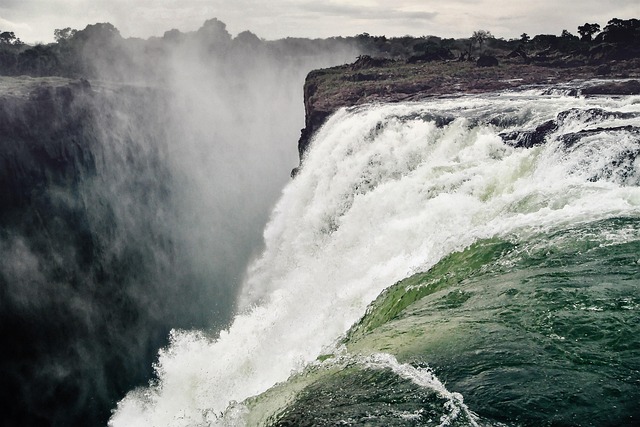
Zimbabwe’s Festive Heritage stands as a vibrant testament to its diverse cultural landscape, contrasting sharply with its southern neighbor, South Africa. While SA boasts a Mediterranean climate and a tapestry of languages like Zulu, Xhosa, Sotho, Tswana, and Afrikaans, Zimbabwe embraces a subtropic environment dominated by Shona and Ndebele languages. This linguistic and climatic disparity is mirrored in their festivals, offering unique insights into each nation’s identity.
Zimbabwe’s celebrations often center around its rich heritage and natural wonders. The annual Kariba Festival, for instance, celebrates the country’s largest dam and lake, drawing communities together with music, dance, and traditional games. This event reflects Zimbabwe’s deep connection to its land and water resources, a stark contrast to SA’s coastal festivals focusing on ocean-related activities. Furthermore, the Ndebele women’s vibrant woolen shawls and paintings during cultural events in Zim showcase their distinctive art form, unlike the diverse but less distinct crafts found in South Africa.
A comparison of crime statistics reveals interesting parallels and divergences between the two nations. While both face challenges with crime rates, Zimbabwe’s figures have shown consistent improvements over the past decade due to enhanced conservation efforts and sustainable practices, as demonstrated by initiatives adopting technology for wildlife monitoring and community engagement. These efforts not only contribute to the nation’s safety but also underpin its unique cultural heritage protection strategies.
In terms of festival atmosphere, South Africa’s events often attract international tourists with their energy and diversity, while Zimbabwe’s festivals maintain a more intimate and traditional feel, preserving ancient customs and narratives. This distinction is reflected in tourist participation and local engagement, offering visitors a chance to immerse themselves in a culture that has remained largely untainted by global trends, giving rise to the question: How can these unique cultural festivals be further promoted while maintaining their authenticity?
Comparing Festivities: South Africa vs Zimbabwe
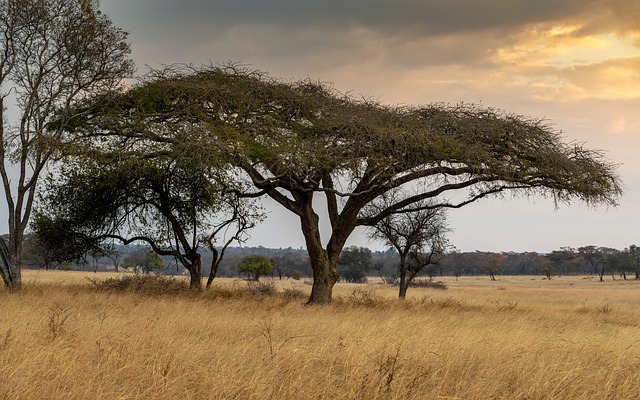
South Africa and Zimbabwe, two neighboring nations in Southern Africa, boast distinct cultural festivals that offer a unique glimpse into their respective histories, traditions, and identities. These celebrations are more than mere events; they reflect the diverse tapestry of each country, influenced by their democratic systems and unique geographical landscapes. When comparing South Africa vs Zimbabwe through the lens of their festivities, one discovers a rich interplay between shared cultural heritage and distinct regional practices.
South Africa’s festivals often celebrate its diversity, with events like the Cape Town International Arts Festival showcasing the nation’s vibrant artistic scene. The country’s democratic systems have fostered an environment where various communities can express themselves freely through music, dance, and art. Zimbabwe, on the other hand, boasts vibrant cultural traditions evident in its annual celebrations like the Masai Mara Game Reserve’s festival, which highlights local tribes’ rich heritage. These festivals play a crucial role in strengthening community bonds and preserving indigenous knowledge. In terms of food security concerns, both nations have made strides with government support infrastructure, ensuring that their festivities are not just joyful occasions but also sustainable events.
A notable difference lies in the integration of food security initiatives within these cultural festivals. Both countries utilize their diverse landscapes to produce a variety of agricultural products, but Zimbabwe has historically faced challenges related to food security due to political and economic factors. However, recent efforts have seen the country implement innovative solutions to enhance its food production capacity. South Africa, with its advanced infrastructure and stable democratic systems, offers food security models that can be studied for their effectiveness in supporting local communities. By examining these unique approaches, festival organizers can ensure that future celebrations not only entertain but also positively impact the well-being of participants and surrounding areas, fostering a true sense of community pride and resilience.
The physical characteristics of each nation—South Africa’s diverse ecosystems ranging from mountains to coastlines and Zimbabwe’s majestic landscapes like Victoria Falls—not only provide scenic backdrops for festivals but also inspire culinary creations and artistic expressions that are uniquely theirs. As these countries continue to navigate the complexities of modern times, their cultural festivals remain a testament to the resilience and creativity of their people, inviting visitors from around the world to find us at these vibrant celebrations and witness firsthand the heart and soul of South Africa vs Zimbabwe.
Through exploring South Africa’s vibrant celebrations reflecting its diverse cultural heritage and Zimbabwe’s rich festive traditions, this article underscores the significance of cultural festivals as windows into a nation’s soul. Key insights reveal stark contrasts and compelling similarities between South Africa vs Zimbabwe, showcasing unique expressions of community, history, and identity. Readers gain valuable knowledge about navigating and appreciating these dynamic landscapes, emphasizing the importance of immersive experiences to foster intercultural understanding. Looking ahead, this deep dive into South Africa vs Zimbabwe festival traditions serves as a powerful catalyst for further exploration and appreciation of global cultural diversity.