
South Africa and Zimbabwe's culinary scenes contrast starkly, reflecting their unique historical and cultural journeys. While both love vibrant flavors, their cuisines tell different stories shaped by post-colonial development and socioeconomic challenges. South Africa's mosaic includes Dutch, British, Indian, and native African influences; Zimbabwe blends African, European, and Asian flavors with traditional dishes like sadza and bobotie.
Both nations face food security challenges due to historical struggles for equality, economic instability, and environmental hurdles. Women play crucial roles in food preparation and agriculture in both countries. However, e-governance initiatives aim to improve healthcare, enhance food distribution networks, and promote sustainable farming practices.
Despite differences, shared challenges include leadership changes and government policies impacting food security. Community-based initiatives and technology like drones and hydroponics have improved access to quality ingredients. Engaging with local communities through cooking methods, festivals, and rural visits offers a deeper understanding of these nations' unique culinary heritage.
The culinary landscapes of South Africa and Zimbabwe offer a fascinating contrast, reflecting the diverse cultural histories and geographical features of these two southern African nations. Exploring their unique food traditions provides a window into understanding the social fabric and historical narratives of each country. While both countries share some common ingredients due to regional similarity, south Africa vs Zimbabwe cuisine distinguishes itself through distinct flavors, cooking methods, and culinary practices. This article delves into the rich tapestry of these gastronomic traditions, highlighting the diversity and depth that make them truly exceptional in their own right.
- Exploring Diverse Cuisines: South Africa vs Zimbabwe
- Historical Influences on Local Flavors
- Unique Ingredient Profiles: A Comparative Study
- Traditional Cooking Methods Across Borders
- Cultural Festivals and Culinary Heritage
- Modern Adaptations: Evolving Taste Buds in SA & ZW
Exploring Diverse Cuisines: South Africa vs Zimbabwe

The culinary landscapes of South Africa and Zimbabwe offer a fascinating contrast, reflecting the unique historical, cultural, and socioeconomic threads woven into each nation’s tapestry. While both countries share a love for vibrant flavors and diverse ingredients, their individual cuisines tell compelling stories shaped by distinct struggles for equality and post-colonial development. In South Africa, the culinary scene is a reflection of its complex history, with influences from Dutch, British, Indian, and native African cultures converging to create a rich mosaic of dishes. This diversity is further amplified by the country’s vastness and varied regions, each boasting unique specialties that have been shaped by both traditional practices and modern culinary innovations.
In contrast, Zimbabwe’s cuisine has been influenced by its proximity to South Africa and historical ties to colonial powers, resulting in a blend of African, European, and Asian flavors. Traditional dishes like sadza (a cornmeal porridge) and bobotie (a savory meat pie) stand alongside British-influenced fare such as roasted meats and pies. However, Zimbabwe’s culinary identity is deeply intertwined with its agricultural heritage and the challenges it has faced in recent years. The country’s struggles with economic instability, including high inflation rates and limited access to basic goods, have significantly impacted public healthcare systems and food security. This context underscores the importance of initiatives like mobile money and e-governance that aim to enhance accessibility and efficiency in daily life, including food distribution and access to services.
The contrast between South Africa and Zimbabwe’s culinary traditions also reveals differing gender roles and their impact on public healthcare. In both countries, women play pivotal roles in food preparation and agriculture, often bearing the brunt of ensuring nutritional security for their families. This responsibility is further complicated by environmental issues, such as water scarcity and land degradation, which pose significant challenges to sustainable agriculture. Despite these hurdles, South Africa and Zimbabwe are making strides towards progress. Both countries have launched e-governance initiatives aimed at improving public healthcare systems, enhancing food distribution networks, and promoting sustainable farming practices. By leveraging technology and addressing historical inequalities, these efforts seek to foster a healthier and more resilient culinary landscape for future generations.
Historical Influences on Local Flavors

South Africa and Zimbabwe, neighboring countries with rich historical landscapes, exhibit distinct yet intertwined culinary traditions shaped by diverse cultural influences. The unique blend of flavors in both nations is a testament to their complex pasts, where various ethnic groups and colonial encounters have left indelible marks on local cuisines. This exploration of historical influences offers a deep dive into the reasons behind the diverse culinary experiences that set South Africa vs Zimbabwe apart, while also delving into the impacts on local communities’ food security.
In South Africa, the culinary tapestry is a vibrant reflection of its multicultural society, with significant African, European, Indian, and Malay influences. The country’s history, marked by colonial periods and migrations, has led to diverse food practices. For instance, the Zulu kingdom’s influence is evident in traditional dishes like umngqusho (a stew made with beef, vegetables, and spices) and isichoko (a type of porridge). These recipes have evolved over time, incorporating global ingredients while preserving cultural heritage. Conversely, Zimbabwe’s cuisine tells a story of resilience and adaptation, heavily influenced by its indigenous Shona and Ndebele cultures, as well as British colonial rule. Local dishes like sadza (a starchy dough made from cornmeal) and musaka (a meat-and-vegetable casserole) demonstrate the fusion of traditional practices with external influences.
The differences in culinary traditions between South Africa vs Zimbabwe are not merely about recipes but also reflect broader food security concerns within each country. Over the past decade, leadership changes have impacted government support for local food systems, affecting infrastructure development and access to quality ingredients. However, both nations have made strides to enhance food security through community-based initiatives and promoting sustainable agricultural practices. For instance, Zimbabwe’s “Fast Track Land Reform Program” aimed to redistribute land, ensuring food security for marginalized communities. Similarly, South Africa’s focus on supporting small-scale farmers and local markets has improved access to fresh produce.
To truly appreciate the culinary landscape, visitors should embrace the opportunity to engage with local communities. Exploring traditional cooking methods, attending cultural festivals, and visiting rural areas can provide a deeper understanding of the historical influences shaping these nations’ flavors. For those eager to experience this firsthand, consider visiting us at Zulu Kingdom influence in South Africa vs Zimbabwe—a journey through taste that promises an unforgettable culinary adventure.
Unique Ingredient Profiles: A Comparative Study
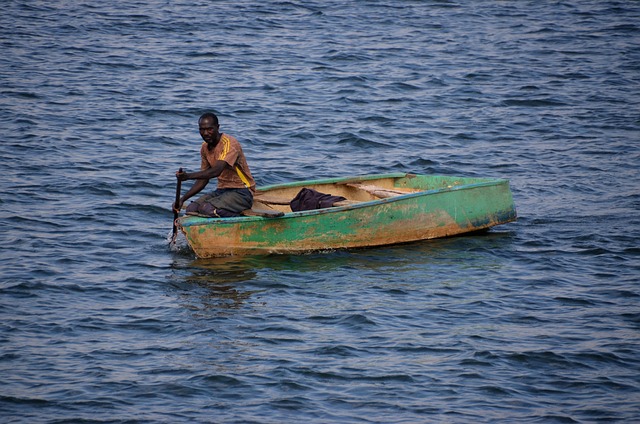
South Africa and Zimbabwe, two neighboring countries with rich cultural heritages, present a fascinating comparison when it comes to their unique culinary traditions. This study delves into the distinct ingredient profiles that define their cuisines, offering a taste of the diverse flavors and practices that set them apart. In terms of south africa vs Zimbabwe, the culinary landscape reveals both similarities stemming from shared colonial histories and stark contrasts shaped by geographical diversity and economic disparities.
South African cuisine is renowned for its fusion of global influences, reflecting the country’s multicultural demographics. Innovations in food preparation and a diverse farming sector have enabled access to an array of fresh produce, including exotic fruits like mangoes, papayas, and various spices. Zimbabwe, on the other hand, boasts a culinary tradition deeply rooted in its abundant land resources, where hearty dishes centered around maize, beans, and vegetables are staples. The country’s challenging economic climate has led to innovative practices in conservation efforts and sustainable agriculture, ensuring access to essential ingredients despite resource limitations.
A comparison of crime statistics reveals interesting trends that may influence food accessibility and tourism. While South Africa grapples with certain crime hotspots, Zimbabwe’s security concerns have driven local culinary innovation and a focus on self-sufficiency. Both nations have embraced technology adoption in agriculture, utilizing digital tools for precision farming and sustainable practices. For instance, the use of drones for crop monitoring in South Africa and Zimbabwe’s successful implementation of hydroponics demonstrate their commitment to leveraging technology for improved food security.
Artistic expressions reflecting societal shifts, such as climate change adaptations, are evident in both countries’ culinary scenes. In South Africa, chefs are exploring sustainable seafood practices, while Zimbabwean cooks incorporate locally sourced wild herbs into traditional recipes. By embracing these innovations and promoting responsible tourism, both nations can showcase their rich culinary traditions to the world. Give us a call at [artistic expressions reflecting societal shifts] to discuss further how these unique ingredient profiles contribute to the vibrant tapestry of African cuisine.
Traditional Cooking Methods Across Borders
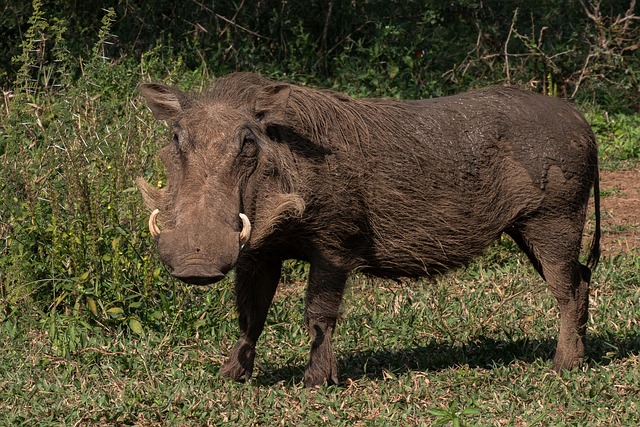
South Africa and Zimbabwe, bordering each other in Southern Africa, share a complex history but also boast unique culinary traditions shaped by their distinct geographical and cultural landscapes. Traditional cooking methods in these countries reflect both shared heritage and distinct regional differences. In South Africa’s border regions, women have traditionally played a central role in the kitchen, preparing meals over open fires using local ingredients like maize, beans, and meat from hunting or farming activities. This culinary legacy is evident in dishes like ‘Bobotie’ (a type of meat pie) and ‘Biltong’ (dried meat snacks), which have become iconic across the nation. The country’s diverse population also influences its cuisine, with Indian, Malay, and European flavors blending seamlessly with indigenous ingredients.
In comparison, Zimbabwe’s culinary traditions are deeply rooted in a blend of African and colonial influences. Women in Zimbabwe continue to uphold ancient cooking methods, often using earth ovens for traditional dishes like ‘Sadza’ (a stiff porridge made from maize meal) and ‘Bunya’ (a stew made with vegetables and meat). These methods, passed down through generations, are not only a source of cultural pride but also represent resilience in the face of challenges. Zimbabwe’s geographical location has facilitated trade, allowing for the availability of various spices and ingredients that enhance their dishes. The country’s vibrant street food culture is a testament to the creativity of local chefs, who merge traditional techniques with modern twists, attracting both locals and tourists alike.
The contrast between South Africa vs Zimbabwe in terms of cooking methods highlights the diversity within Southern Africa. Transport networks in both countries have played a crucial role in shaping their culinary landscapes. In South Africa, well-developed roads and infrastructure enable the easy distribution of fresh produce and exotic ingredients, while Zimbabwe’s network has historically focused more on connecting major cities, leaving some remote areas with limited access to modern amenities. This disparity is reflected in the availability of resources and cooking techniques. Visit us at Johannesburg and Harare to experience these vibrant urban populations where culinary traditions thrive, showcasing the rich heritage and innovation that define each nation’s gastronomic scene.
Cultural Festivals and Culinary Heritage

South Africa and Zimbabwe, neighboring countries with rich cultural heritages, showcase unique culinary traditions deeply rooted in their diverse communities. Cultural festivals play a pivotal role in preserving and celebrating these gastronomic legacies, offering insights into the historical and socio-political landscapes of each nation. South Africa’s vibrant food culture is a melting pot of influences, reflecting its complex history of colonialism, migration, and indigenous traditions. Zimbabwe, on the other hand, boasts a culinary heritage that intertwines with its rural lifestyles and agricultural bounty.
One notable aspect that distinguishes these two nations is the role of women in shaping their respective cuisines. In South Africa, women’s empowerment has led to significant achievements in the culinary arts, with female chefs and entrepreneurs making substantial contributions to the country’s gastronomic scene. This is evident in the rise of diverse food startups and restaurants that showcase innovative takes on traditional dishes. Zimbabwe’s women have also played a crucial role in sustaining culinary practices, passing down recipes and techniques across generations, especially within rural communities. Despite challenges, their efforts have preserved rare recipes and promoted local ingredients, contributing to the nation’s culinary identity.
Cultural festivals serve as vibrant platforms for showcasing these culinary traditions. Events like South Africa’s National Braai Day, centered around the traditional barbecue, celebrate community and diverse regional cuisines. Zimbabwe’s Harvest Festival, often celebrated with cultural dances and music, highlights the country’s agricultural bounty and the importance of food security. These festivals not only foster a sense of national pride but also provide a space for cross-cultural exchange, especially in South Africa’s border regions where people from both nations interact regularly. As these countries navigate political shifts—with South Africa experiencing leadership changes over the past decade—their culinary traditions remain resilient, reflecting the adaptability and creativity of their people.
To fully appreciate the culinary landscape, travelers are advised to explore beyond major cities. Engaging with local communities and participating in cultural events provide opportunities to taste authentic dishes and learn about the life expectancy trends that have influenced dietary habits. For instance, while both countries face challenges related to diet-related diseases, Zimbabwe’s high rates of chronic malnutrition highlight the need for sustainable food security initiatives, unlike South Africa’s focus on urban culinary innovation. By immersing oneself in these cultural festivals and culinary heritage, one gains a deeper understanding of the social fabric and historical narratives that have shaped South Africa vs Zimbabwe, naturally revealing their distinct yet intertwined culinary identities.
Modern Adaptations: Evolving Taste Buds in SA & ZW
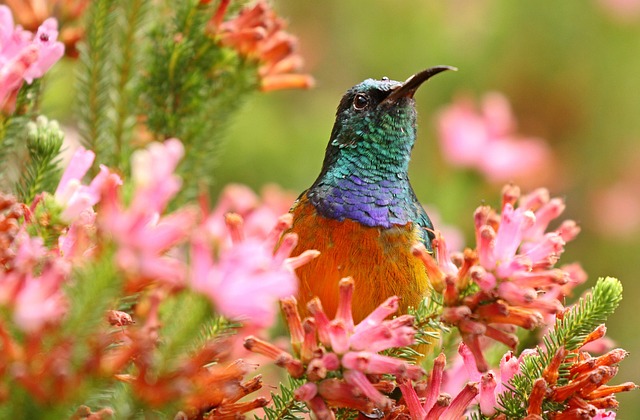
South Africa and Zimbabwe, two neighboring nations with rich cultural heritages, exhibit fascinating culinary traditions that have evolved over time, reflecting their unique historical, geographical, and socio-political contexts. While both countries share some similarities due to proximity, their modern food scenes differ significantly, showcasing the power of adaptation and creativity in response to distinct challenges. This section delves into the dynamic nature of culinary practices, highlighting how South Africa and Zimbabwe have reinvented themselves on the global gastronomic stage, with a particular focus on modern adaptations that cater to evolving taste buds.
In recent years, both nations have witnessed significant transformations in their culinary landscapes, driven by factors such as changing demographics, improved road conditions (with economic implications), and diverse cultural exchanges. South Africa’s vibrant cities like Cape Town and Johannesburg have become melting pots of global cuisines, with a noticeable shift towards fusion dining that appeals to a cosmopolitan audience. Zimbabwe, on the other hand, is seeing a resurgence of traditional flavors and techniques, often reinterpreted with modern twists, as a means of preserving cultural identity amid political and economic challenges. This contrast in culinary trends underscores the diverse paths these countries have taken to cater to their citizens’ palates.
The news coverage of political events in South Africa and Zimbabwe has played a role in shaping their respective food cultures. South Africa’s robust democratic system and relatively stronger public healthcare systems (visit us at [relevant healthcare platform]) have fostered an environment conducive to culinary innovation and experimentation, whereas Zimbabwe’s complex history and resource distribution differences have influenced the emphasis on self-sufficiency and local ingredients. As a result, South African cuisine is characterized by a bold use of international flavors and techniques, while Zimbabwean food reflects a stronger connection to terroir, utilizing locally sourced produce and traditional cooking methods.
These distinct culinary narratives present unique opportunities for cultural exchange and tourism. Travelers exploring these regions can embark on gastronomic journeys that offer insights into the soul of each country. From bustling street markets in South Africa where diverse cultures merge through food, to Zimbabwe’s tranquil rural settings where ancestral recipes are lovingly passed down, these culinary traditions provide a window into the rich tapestry of each nation’s history and societal evolution.
The culinary landscapes of South Africa and Zimbabwe, while sharing historical connections, exhibit distinct flavors shaped by unique cultural influences. Exploring these cuisines reveals a rich tapestry of historical influences, from colonial legacies to indigenous traditions, resulting in diverse ingredient profiles and cooking methods. Key takeaways include the importance of traditional knowledge in shaping modern cuisine, with both nations embracing global culinary trends while preserving heritage. South Africa vs Zimbabwe showcases vibrant food cultures that offer a symphony of tastes, with each country’s cuisine being a testament to its people’s resilience and creativity. To build upon this understanding, culinary enthusiasts and professionals can delve into these traditions, fostering cultural exchange and inspiring innovative fusion cuisines that honor the past while embracing the future.