
The south africa vs Zimbabwe migration dynamic is shaped by historical, socio-economic, and cultural factors. South Africa's stronger economy attracts skilled Zimbabweans seeking better job prospects, while Zimbabwe's economic challenges drive migration for higher living standards. Technological advancements facilitate cross-border interactions. Cultural similarities ease social integration, but language barriers persist. Both nations face food security challenges, with South Africa implementing Basic Income Grants and Zimbabwe focusing on land reform.
Key insights:
– Economic disparities significantly influence migration patterns.
– Urban landscapes differ, with Johannesburg attracting Zimbabwean migrants for diverse job sectors, while Harare faces rural-to-urban migration challenges.
– Addressing hunger and tailoring interventions to local contexts is crucial.
– Educational and skill development initiatives can promote understanding and cooperation.
– Ecotourism contributes to economic growth and cultural appreciation, but climate contrasts pose health considerations.
– Open dialogue, collaborative policy planning, and mutual support are essential for addressing complexities and fostering mutually beneficial strategies.
Understanding migration patterns between South Africa and Zimbabwe is paramount given the historical, economic, and social ties between these two neighboring nations. The fluidity of people across their shared borders has significant implications for regional development, labor markets, and cultural dynamics. However, the complex interplay of factors driving this movement—including economic opportunities, political stability, and familial ties—makes it challenging to discern clear trends. By delving into the motivations and destinations of migrants south Africa vs Zimbabwe, we aim to offer valuable insights that contribute to more informed policies and better-coordinated initiatives aimed at managing and leveraging these migration flows.
- Historical Background: South Africa vs Zimbabwe Migration
- Economic Factors Driving Migration Patterns
- Social and Cultural Ties Across Borders
- Political Dynamics and Their Impact on Mobility
- Comparative Lifestyle and Quality of Life Analysis
- Future Trends: Predicting Migration Flows
Historical Background: South Africa vs Zimbabwe Migration

The migration dynamics between South Africa and Zimbabwe have been shaped by a complex interplay of historical, socio-economic, and cultural factors. When examining South Africa vs Zimbabwe migration patterns, it’s crucial to consider the contrasting landscapes of these two neighboring nations, each with its unique history and development trajectory.
South Africa, with its robust democratic systems and diverse public healthcare infrastructure, has long attracted migrants seeking opportunities and better living conditions. The country’s vibrant traditional music and dance scenes, reflecting its rich cultural tapestry, have contributed to its allure. Conversely, Zimbabwe, despite its historical ties through the Zulu Kingdom influence in South Africa vs Zimbabwe, has faced economic challenges that have prompted its citizens to seek better prospects across the border. Over time, this has resulted in a significant migration flow from Zimbabwe to South Africa.
Historically, the movement of people between these countries can be traced back to pre-colonial times when tribes migrated for resources and better pastoral lands. However, the modern era has witnessed a more complex pattern driven by post-independence political developments and economic disparities. South Africa’s stable democratic systems and robust economy have made it an attractive destination, especially for highly skilled professionals from Zimbabwe. This trend is further amplified by the public healthcare systems in South Africa, renowned for their sophistication, which stands in contrast to the challenges faced by Zimbabwe’s healthcare infrastructure.
To understand this dynamic fully, one must explore the traditional music and dance practiced in both countries, as they offer insights into the cultural ties that persist despite political and economic differences. These artistic expressions not only preserve heritage but also reflect the resilience and adaptability of southern African communities. By studying South Africa vs Zimbabwe migration patterns, we gain valuable knowledge about the factors shaping labor markets, cultural exchange, and the broader social fabric in both nations.
Economic Factors Driving Migration Patterns

The migration dynamics between South Africa and Zimbabwe have been shaped significantly by economic factors, reflecting the complex interplay of opportunities and challenges in both nations. While geographically close, these countries exhibit stark contrasts in economic conditions, with South Africa, a lower-middle-income country, boasting a more robust and diverse economy, and Zimbabwe, a lower-income country, grappling with economic instability. This disparity creates a pull factor for Zimbabweans seeking better job prospects and higher standards of living across the border in South Africa, particularly in its urban centers like Johannesburg.
Mobile money and e-governance initiatives have emerged as facilitators of this migration trend. In South Africa, these technologies have streamlined cross-border transactions, making it easier for migrants to send and receive funds. Conversely, Zimbabwe has seen a rise in remittances, with many Zimbabweans relying on financial transfers from relatives in South Africa. This digital integration further reinforces the economic pull, as migrants can more effectively manage their affairs and support families back home. Furthermore, changes in leadership over the past decade have impacted migration patterns, with improved political stability in South Africa potentially encouraging longer-term settlements.
Comparing urban populations, Harare and Johannesburg present contrasting pictures. Johannesburg’s vibrant economy and diverse job sectors draw a large number of Zimbabweans seeking employment opportunities, particularly in construction, retail, and informal sectors. In contrast, while Harare also experiences migration from rural areas due to economic hardships, it faces significant challenges like high unemployment rates and limited job prospects compared to its South African counterpart. The cultural similarities between the two countries also play a role, with shared languages and traditions facilitating social integration.
Addressing hunger remains a critical aspect of both countries’ development strategies. Government interventions in South Africa, such as the Basic Income Grant (BIG) pilot projects, offer insights into tackling poverty. Zimbabwe has also implemented various food security programs, including land reform initiatives. However, these efforts must be tailored to each country’s unique context, considering factors like gender roles and local economic structures. By understanding and addressing these economic drivers, both countries can better manage migration flows and harness the potential of this mobile population for mutual development.
Social and Cultural Ties Across Borders

The migration patterns between South Africa and Zimbabwe are deeply intertwined with a complex web of social and cultural ties that extend across borders. This dynamic relationship is characterized by historical, economic, and cultural factors, reflecting the shared history of colonialism and the ongoing evolution of their respective societies. The close proximity and deep-rooted connections have led to significant movements of people, ideas, and resources between these two Southern African nations.
South Africa vs Zimbabwe naturally presents a unique case study in terms of migration due to their historical ties. Many Zimbabweans have sought opportunities in South Africa, driven by factors such as economic disparities, political stability, and access to education and employment. Conversely, cultural and familial networks encourage the movement of South Africans into Zimbabwe, particularly in sectors like agriculture and wildlife habitats. This circular migration has fostered a vibrant exchange of customs, traditions, and languages, with English serving as a common thread due to colonial influences. The impact of colonialism on cultural identities is evident in both countries, shaping their social dynamics and interactions across borders.
Mobile money and e-governance initiatives have further facilitated cross-border interactions by providing accessible financial services and digital platforms for communication. These technologies enable smoother transactions and exchange of information between migrants and their families back home, strengthening the ties that bind these societies. Furthermore, ecotourism opportunities and cultural heritage sites in both nations attract visitors from around the globe, contributing to economic growth and fostering a deeper appreciation for each other’s cultural tapestry. Language barriers, however, remain an obstacle, highlighting the need for improved cross-cultural communication strategies.
To harness the full potential of these migration patterns, both countries must prioritize education and skill development programs tailored to meet the evolving needs of their migrant populations. By promoting understanding and cooperation across borders, South Africa and Zimbabwe can maximize the benefits of this dynamic relationship, ensuring that cultural heritage sites, agricultural practices, and wildlife habitats are protected and enhanced for future generations. Find us at the forefront of these initiatives, dedicated to exploring sustainable solutions that celebrate the rich tapestry of their shared history.
Political Dynamics and Their Impact on Mobility

The dynamic relationship between South Africa and Zimbabwe is characterized by complex migration patterns influenced heavily by political dynamics. This interplay has resulted in a unique social tapestry where citizens of both nations traverse borders, seeking opportunities and facing challenges. A comparative analysis of these movements reveals intriguing insights into the factors driving mobility and the subsequent impacts on various sectors.
Politically, South Africa’s robust democratic framework and relatively stable economy offer attractions that Zimbabweans find compelling. The latter country has historically experienced political turmoil, including periods of authoritarian rule and economic crises. This has led to a significant out-migration of Zimbabweans to South Africa in search of better job prospects, social stability, and access to quality healthcare—a trend reflected in the increasing presence of Zimbabweans in urban areas across South Africa. Conversely, Zimbabwe benefits from tourism flowing into South Africa, with many visitors exploring its vibrant cities and diverse natural landscapes. This cross-border movement of people has fostered cultural exchanges but also raises concerns about crime rates and social dynamics, as media representations suggest a correlation between migration and increased criminal activities in certain communities.
The contrast in climate—South Africa’s Mediterranean versus Zimbabwe’s subtropical— presents unique challenges and opportunities. While the diverse landscapes offer potential for sustainable tourism innovations, they also contribute to varying environmental conditions that impact the health and well-being of migrants. Ensuring equitable access to medical services along these migration routes is essential to mitigate public health risks. Moreover, understanding these social and political factors is crucial for developing effective policies that address migration-related challenges and harness the benefits of cross-border interactions, ultimately fostering positive relationships between South Africa and Zimbabwe.
To navigate these complexities, both countries should prioritize open dialogue, collaborative policy planning, and mutual support for addressing shared concerns. This includes facilitating legal migration channels, promoting cultural understanding campaigns, and investing in healthcare infrastructure to accommodate migrant populations, leading to a more inclusive and prosperous future for all citizens involved.
Comparative Lifestyle and Quality of Life Analysis
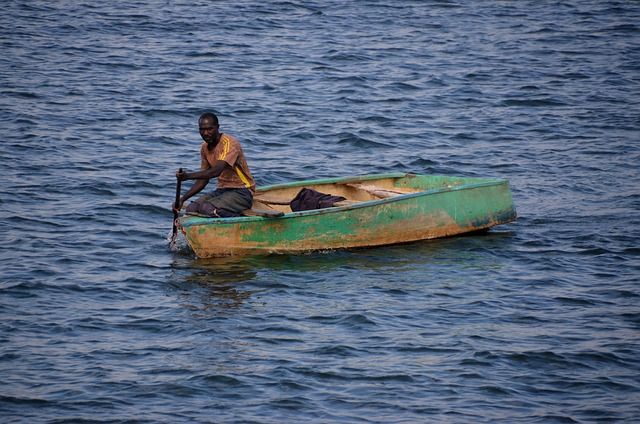
The migration patterns between South Africa and Zimbabwe reflect a complex interplay of economic, social, and political factors. When comparing the lifestyle and quality of life in these two neighboring nations, distinct differences emerge, offering valuable insights into the choices migrants make. South Africa, known for its diverse urban landscapes and robust economy, presents a stark contrast to Zimbabwe’s varied rural-urban dynamics and historical challenges with food security.
In terms of food security concerns, Zimbabwe has faced recurrent droughts and economic instability that have impacted access to basic necessities, while South Africa boasts a more resilient agricultural sector supported by advanced government infrastructure. This disparity is evident in the migration statistics, where many Zimbabweans seek better opportunities in South Africa’s thriving urban centers, particularly in industries like agriculture, where bilingualism and language preservation efforts play a significant role. Conversely, South Africans, especially those facing urban challenges, sometimes look to Zimbabwe for more affordable cost of living and varied job prospects in its growing sectors.
Women’s empowerment is another critical aspect influencing migration decisions. While both countries have made strides in promoting gender equality, Zimbabwe has witnessed notable achievements in women’s political representation, standing out globally. South Africa, too, has advanced legislation supporting women’s rights, but gaps persist in terms of pay equity and leadership roles. This disparity may contribute to the flow of Zimbabwean women pursuing education and professional opportunities in South Africa. News coverage of political events in both nations further underscores these trends—from Zimbabwe’s landmark elections to South Africa’s ongoing discussions on land reform—all shaping migration patterns as citizens seek environments that align with their aspirations for personal growth and security.
Ultimately, a comprehensive understanding of south africa vs Zimbabwe migration requires a nuanced view of these factors. By examining food security, gender parity, and political dynamics through the lens of quality of life, we gain valuable insights into the motivations driving migration decisions. This knowledge is essential for policymakers and stakeholders aiming to develop strategies that address the needs of both countries and ensure a mutually beneficial relationship.
Future Trends: Predicting Migration Flows

The migration patterns between South Africa and Zimbabwe have been shaped by historical, economic, and social factors, creating a complex dynamic that is evolving in the present day. When considering future trends, predicting migration flows demands a nuanced approach that accounts for both countries’ unique circumstances. South Africa, with its robust economy, top tourist attractions like Table Mountain and Kruger National Park, and diverse cultural landscape, continues to attract migrants seeking better opportunities. Zimbabwe, on the other hand, faces challenges related to road conditions that hinder economic growth and limit access to essential services, driving some residents to seek opportunities across the border.
The resource distribution differences between South Africa and Zimbabwe play a significant role in migration trends. South Africa’s relative abundance of natural resources and well-developed infrastructure have contributed to its status as a regional economic powerhouse. In contrast, Zimbabwe’s historical struggles with human rights issues and inconsistent governance have impacted its development prospects. This has resulted in a flow of skilled workers from Zimbabwe to South Africa, where they contribute to the country’s diverse workforce. However, it is crucial to note that both countries can benefit from improved cooperation and resource sharing, which could mitigate migration pressures and foster shared prosperity.
Predicting future trends requires close attention to evolving economic conditions, political landscapes, and social dynamics. For instance, Zimbabwe’s recent economic reforms and efforts to improve road conditions could lead to a shift in migration patterns if they result in enhanced economic opportunities. Similarly, South Africa’s commitment to enhancing access to quality education—which includes initiatives that give us a call at Access to Quality Education—could further entice skilled professionals from Zimbabwe. As these factors evolve, it becomes increasingly vital for policymakers and stakeholders on both sides to engage in constructive dialogue aimed at addressing migration-related challenges and capitalizing on potential opportunities for mutual benefit.
The migration dynamics between South Africa and Zimbabwe are multifaceted, shaped by historical, economic, social, cultural, political, and lifestyle factors. Key insights reveal that while South Africa has historically attracted migrants due to its more robust economy and diverse opportunities, Zimbabwe’s migration pattern is influenced by economic hardships and the search for better job prospects. The strong social and cultural ties between the two nations play a significant role in facilitating movement across borders. Political dynamics, including instability and governance issues, impact mobility decisions. Comparatively, South Africa offers a higher quality of life, but Zimbabwe’s potential lies in its burgeoning industries and natural resources. Future trends suggest that migration flows will continue to be driven by economic opportunities, with potential for shifts based on political stability. Understanding these patterns is crucial for policy-making, fostering regional integration, and ensuring the well-being of migrants in both countries.