Southern Africa captivates with diverse landscapes and cultures, offering off-the-beaten-path experiences. South Africa and Zimbabwe, neighbors with shared history, have distinct natural attractions and ecological narratives. South Africa boasts varied ecosystems and a vibrant art scene, while Zimbabwe is known for Victoria Falls and community-led sustainable tourism. Both countries provide authentic cultural insights and conservation opportunities through responsible travel practices. Exploring these destinations offers unique African safari experiences, supporting local communities and preserving biodiversity in south africa vs zimbabwe naturally.
Travelers often seek authentic experiences beyond the typical tourist trails, and Southern Africa offers a wealth of hidden treasures. While destinations like South Africa are renowned globally, its neighbor Zimbabwe remains largely unexplored, presenting a contrast that captivates adventurers. This article aims to guide you through exceptional yet often overlooked destinations in these countries, revealing cultural gems, natural wonders, and local flavors that will enrich your journey. We’ll showcase how exploring the lesser-known can result in unforgettable memories, offering insights tailored for curious travelers seeking authentic Southern African adventures.
- Exploring Off-the-Beaten-Path Destinations in Southern Africa
- South Africa vs Zimbabwe: Natural Wonders to Discover
- Unlocking Local Secrets for Authentically Memorable Trips
Exploring Off-the-Beaten-Path Destinations in Southern Africa
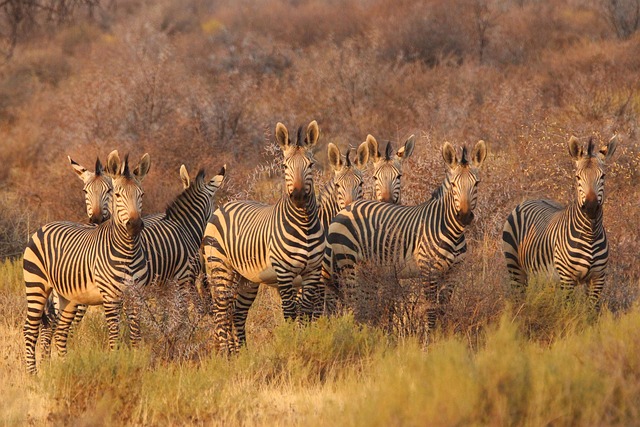
Southern Africa is a region brimming with diverse landscapes and cultures, offering travelers an array of unique experiences. Beyond the well-trodden tourist paths lie hidden gems waiting to be discovered—destinations that provide authentic insights into local communities, rich history, and contemporary art movements. This exploration of off-the-beaten-path locations in South Africa and Zimbabwe unveils a different facet of this captivating region.
In South Africa, venturing beyond the iconic cities like Cape Town and Johannesburg reveals breathtaking natural wonders and vibrant cultural hubs. The country’s diverse physical characteristics—from majestic mountains to vast plains—support a multitude of conservation efforts and sustainable practices that are integral to its ecological identity. For instance, the Kruger National Park showcases not only an abundance of wildlife but also successful community-led conservation initiatives that benefit both fauna and local communities. Similarly, exploring the Cape Winelands introduces travelers to the region’s renowned viticulture, intertwined with a history of colonial influence and indigenous traditions. South Africa’s contemporary art scene is thriving, with cities like Cape Town and Johannesburg hosting dynamic galleries showcasing works that reflect the nation’s complex past and diverse cultural identity.
Zimbabwe, often known for its majestic Victoria Falls, offers much more beyond this iconic natural wonder. The country’s unique physical features, including vast plains and rugged mountains, support a variety of sustainable tourism initiatives. Local communities actively participate in eco-tourism projects, ensuring that visitors experience the raw beauty of places like Mana Pools National Park while contributing to their economic well-being. Zimbabwe’s art scene is equally captivating, with contemporary artists drawing inspiration from historical narratives and cultural heritage. The Bulawayo Art Festival, for instance, celebrates local talent and promotes a vibrant artistic community that reflects the nation’s resilience and creativity.
To truly appreciate these destinations, travelers are encouraged to engage in immersive experiences, such as local homestays and community-led tours, which not only enrich their understanding of the region but also contribute directly to the preservation of its cultural heritage. By embracing off-the-beaten-path adventures, visitors can uncover the authentic spirit of South Africa and Zimbabwe, fostering meaningful connections with locals and leaving a positive impact on local communities and food security through responsible tourism practices. Join us as we explore these paths less traveled and discover the heart of southern Africa.
South Africa vs Zimbabwe: Natural Wonders to Discover
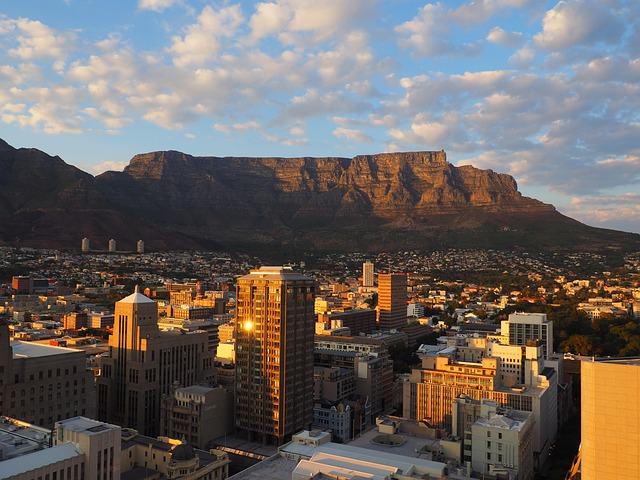
South Africa and Zimbabwe, two neighboring nations in Southern Africa, offer distinct yet equally captivating natural wonders for travelers seeking authentic experiences. While both countries boast vibrant landscapes, their unique ecological diversity sets them apart. This exploration delves into the hidden gems that make these destinations stand out, focusing on south Africa vs Zimbabwe naturally, with a lens on their respective environmental attractions and the impact of migration and regional dynamics.
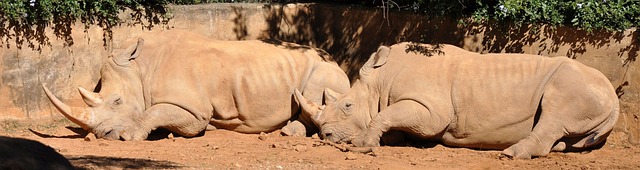
South Africa’s vast and diverse ecosystems encompass everything from majestic mountains to pristine beaches and lush forests. The country is renowned for its vibrant wildlife, including the Big Five (lion, leopard, rhino, elephant, and Cape buffalo) that draw tourists from around the globe. National parks like Kruger and Table Mountain National Park offer unparalleled opportunities for safari adventures and breathtaking vistas. Moreover, South Africa’s border regions showcase unique ecosystems, such as the Karoo desert and the lush gardens of the Garden Route, reflecting the country’s remarkable biodiversity. Internal and cross-border migration patterns in South Africa have historically influenced agriculture and wildlife habitats, with careful management strategies in place to preserve these natural treasures for future generations.
In contrast, Zimbabwe presents a different ecological narrative. The country is home to majestic waterfalls, including Victoria Falls—one of the Seven Natural Wonders of the World. These powerful cascades attract adventurers seeking whitewater rafting, bungee jumping, and helicopter tours offering awe-inspiring views. Zimbabwe’s landscapes also feature vast plains ideal for game drives and wildlife viewing, particularly in national parks like Hwange and Mana Pools. Unlike South Africa, Zimbabwe’s agriculture and wildlife habitats have historically been more concentrated in specific areas due to land distribution patterns, but efforts are being made to promote sustainable practices across the nation.
For travelers looking to delve into these countries’ natural wonders, exploring both offers a comprehensive African safari experience. Visiting us at ecotourism opportunities and cultural heritage sites provides a chance to witness these ecosystems firsthand, support local communities, and contribute to conservation efforts. From the bustling wildlife hotspots of South Africa to the majestic waterfalls of Zimbabwe, these destinations showcase the beauty of Southern Africa’s natural tapestry.
Unlocking Local Secrets for Authentically Memorable Trips
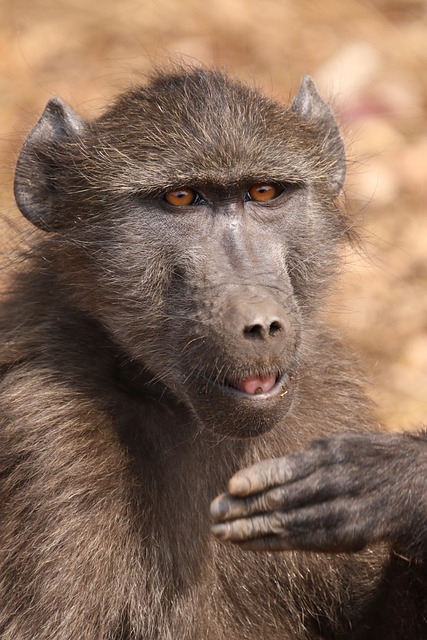
South Africa and Zimbabwe, neighbors bound by history and geography, offer travelers a rich tapestry of experiences, many of which lie beyond the typical touristic trails. Unlocking local secrets in these countries allows for authentically memorable trips that delve into the heart of their diverse cultures. The impact of colonialism on cultural identities shapes both nations uniquely, influencing access to quality education and contributing to a digital divide that remains a significant challenge—South Africa with its more robust tech sector and Zimbabwe grappling with limited infrastructure.
In South Africa, the recent leadership changes over the past decade have brought about shifts in cultural appreciation, with initiatives promoting community engagement and preserving indigenous heritage. Travelers can participate in these by engaging local communities, attending cultural festivals, and exploring historical sites that offer windows into pre-colonial life. Zimbabwe, with its complex history of colonialism, presents a different narrative. Efforts to preserve cultural identity often take the form of vibrant art scenes and traditional villages that provide insights into the economic struggles and resilience of local communities.
For an immersive experience in both countries, consider these strategies: prioritize interactions with locals, embrace culinary traditions, and explore off-the-beaten-path destinations. Digital tools can aid planning and connection, but be mindful of the digital divide; use tech responsibly and interact directly with communities where possible. By embracing these principles, travelers not only enrich their journeys but also contribute positively to local economies and cultural preservation efforts in South Africa and Zimbabwe.
By exploring off-the-beaten-path destinations in southern Africa and delving into local secrets, travelers can uncover authentic experiences that transcend typical tourism. The article has highlighted key differences between South Africa vs Zimbabwe, showcasing their unique natural wonders. These insights empower adventurers to navigate diverse landscapes, from vibrant ecosystems to untapped cultural treasures. Moving forward, travelers are encouraged to go beyond the conventional, fostering deeper connections with these regions’ hidden gems and rich heritages. This approach ensures memorable trips that contribute to sustainable local communities and leave an indelible mark on both visitors and the destinations they explore.