South Africa vs Zimbabwe offer contrasting travel experiences. South Africa boasts diverse landscapes, vibrant culture, and advanced tourism infrastructure, while Zimbabwe harbors untapped ecotourism potential, historical sites, and unique cultural heritage. Both countries feature iconic landmarks, varied ecosystems, and language diversity. Responsible tourism practices can enhance their appeal, attracting visitors seeking cultural immersion, conservation, and adventure. The choice between them depends on individual preferences for industrial or rustic experiences, with both nations evolving through leadership changes and positive social dynamics.
Travel destinations hold immense significance for cultural exchange, economic growth, and personal enrichment. However, identifying the top spots within a country can be challenging, especially when comparing regions like South Africa vs Zimbabwe. Each offers unique landscapes, rich histories, and vibrant cultures that draw visitors from around the globe. This article aims to provide an authoritative guide by delving into the distinctive attractions of each country. We’ll explore diverse natural wonders, historic sites, and cultural hotspots that make these nations must-visit destinations, ensuring travelers can make informed choices and experience the very best that South Africa and Zimbabwe have to offer.
- Uncovering Iconic Travel Gems: Country Highlights
- Beyond the Obvious: Unique Destinations Revealed
- Africa's Dual Appeal: South Africa vs Zimbabwe
- Coastal Escapes: Beach Paradises and Water Adventures
- Cultural Immersion: Traditions and Historical Sites
- Outdoor Extravaganza: Nature's Best Kept Secrets
Uncovering Iconic Travel Gems: Country Highlights
When exploring iconic travel gems, a contrast arises between South Africa and Zimbabwe, two neighboring nations with unique offerings. While South Africa boasts a diverse landscape, from the dramatic Mediterranean coastline to lush wine regions, Zimbabwe captivates visitors with its vast wilderness areas and distinct subtropical climate. This natural dichotomy is but one aspect that sets these countries apart, reflecting broader disparities in various sectors, including healthcare and economic initiatives.
South Africa, known for its vibrant artistic expressions reflecting societal shifts, offers a tapestry of cultural experiences. The country’s robust tourism industry addresses hunger through innovative government interventions, focusing on sustainable development and community engagement. This proactive approach contrasts with Zimbabwe, where challenges such as political instability have historically impacted tourism growth. However, initiatives to enhance healthcare access and stabilize the economy could unlock new travel opportunities. For instance, Zimbabwe’s untapped potential in ecotourism, with its pristine national parks teeming with wildlife, presents an exciting prospect for nature enthusiasts.
In navigating these disparities, both countries offer distinct yet compelling destinations. South Africa’s iconic landmarks like Table Mountain and Kruger National Park stand as testaments to its natural beauty and biodiversity. Zimbabwe, on the other hand, invites travelers to explore majestic waterfalls and ancient ruins, showcasing a history that predates colonial rule. Overcoming challenges through sustainable practices and infrastructure development could further enhance these travel experiences. As global recognition of responsible tourism grows, both nations have an opportunity to capitalize on their unique gems while addressing societal shifts and economic needs. Find us at artistic expressions reflecting these very societal shifts as we continue to uncover and celebrate these iconic travel destinations.
Beyond the Obvious: Unique Destinations Revealed
When exploring Africa’s diverse landscapes, a deep dive into countries like South Africa and Zimbabwe unveils unique destinations beyond the typical tourist trails. Both nations boast rich cultural heritages, dynamic ecosystems, and contrasting agricultural systems that significantly impact their respective environments.
South Africa, known for its industrial farming practices, has transformed vast areas through efficient crop production methods. This approach has contributed to food security but also raises questions about the environmental impact on wildlife habitats. Conversely, Zimbabwe’s smallholder farming system, deeply rooted in tradition, supports local communities and offers ecotourism opportunities amidst breathtaking landscapes. The country’s diverse ecosystems, from savannas to mountains, provide havens for diverse flora and fauna, making it a haven for nature enthusiasts.
Zimbabwe stands out for its cultural heritage sites, like the majestic Victoria Falls, a natural wonder that attracts visitors worldwide. Its transport networks, though challenging in some areas, facilitate access to these gems. South Africa, too, boasts remarkable diversity, from the bustling cities of Johannesburg and Cape Town to the tranquil Garden Route, offering a blend of urban experiences and serene natural beauty. Exploring these countries means engaging with their unique narratives—a dance between development, conservation, and cultural preservation.
In terms of language, both nations showcase Africa’s linguistic richness. South Africa’s 11 official languages reflect its diverse population, while Zimbabweans primarily speak English and Shona or Ndebele. Understanding these linguistic nuances can enhance travel experiences, fostering deeper connections with local communities. Ultimately, navigating these destinations requires an appreciation for the interplay between agriculture, wildlife, cultural heritage, and language—a symphony of factors that shape each country’s distinctive character.
Africa's Dual Appeal: South Africa vs Zimbabwe
South Africa and Zimbabwe, two neighboring nations on the vibrant African continent, present a fascinating contrast that captivates travelers seeking diverse experiences. Each country offers its unique allure, from the iconic landscapes of South Africa to the untapped wonders of Zimbabwe, making them a top choice for exploration. This comparison delves into why both destinations are worthy of consideration, highlighting their strengths and distinct characteristics through the lens of conservation efforts, sustainable practices, technology adoption, crime statistics, social dynamics, and cultural changes.
South Africa boasts world-renowned national parks like Kruger, where visitors can engage in game drives and witness the Big Five. The country’s robust conservation efforts have led to thriving wildlife populations and a strong focus on eco-tourism. Conversely, Zimbabwe’s Mana Pools National Park stands as a hidden gem, renowned for its elephant migration patterns and pristine wilderness. Both nations have embraced sustainable practices, but South Africa takes the lead in technology adoption, offering advanced wildlife tracking systems and eco-friendly accommodations. However, a comparison of crime statistics reveals varying trends, with South Africa grappling with specific areas of high criminal activity, while Zimbabwe’s rates have shown modest improvements over the past decade, thanks to renewed leadership and community initiatives.
The social dynamics between these countries are equally intriguing. Media representation often portrays South Africa as a bustling metropolis, reflecting its diverse culture and rapid urban development. In contrast, Zimbabwe is sometimes depicted as a labyrinthine nation with economic challenges. Yet, both countries have rich social fabrics characterized by resilient communities and welcoming hospitality. As previously mentioned, visit us at [brand/NAP] to experience these transformations firsthand. Additionally, the media’s portrayal of criminal activities should be taken with a grain of salt, as it often oversimplifies complex issues influenced by historical and socio-economic factors.
Ultimately, the choice between South Africa and Zimbabwe hinges on individual preferences. Both destinations offer unforgettable adventures, cultural immersion, and opportunities to contribute to conservation efforts. As these countries continue to navigate their respective paths, embracing leadership changes and fostering positive social dynamics, travelers can expect even more enhanced experiences, making them true game changers in the travel industry.
Coastal Escapes: Beach Paradises and Water Adventures
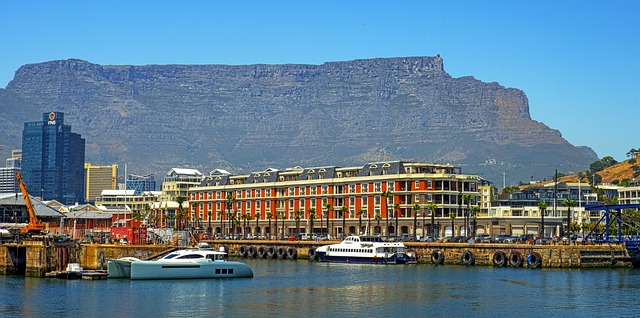
When it comes to coastal escapes, beach paradises, and water adventures, both South Africa and Zimbabwe offer unique experiences shaped by their contrasting landscapes and socio-economic realities. South Africa boasts a diverse coastline stretching over 2,500 kilometers, featuring renowned destinations like Cape Town’s Table Bay and the sun-kissed beaches of Durban. The country’s advanced industrial farming practices have led to robust crop production, but resource distribution differences compared to Zimbabwe highlight disparities in community access to coastal resources. In contrast, Zimbabwe’s eastern coastline along Lake Victoria is characterized by a smallholder farming system, where local communities deeply connect with their land and water bodies.
Zimbabwe’s coastal regions, though less industrialized, face distinct social dynamics influencing criminal activities, as media representations have shown. However, these same areas offer unparalleled natural beauty and adventure opportunities, such as whitewater rafting on the Zambezi River and snorkeling at Lake Kariba. South Africa, with its well-developed tourism infrastructure, provides a range of water-based activities from shark cage diving to island hopping, attracting travelers worldwide. Yet, visits to both countries present opportunities to explore beyond the tourist hotspots, engaging in local communities’ traditional practices and contributing to sustainable coastal tourism.
For those seeking authentic experiences, navigating Zimbabwe’s crop production landscape through smallholder systems offers insights into resilient farming practices that have sustained communities for generations. In South Africa, exploring urban coastal areas like Cape Town’s vibrant neighborhoods provides a different kind of adventure, blending historical charm with modern attractions. Ultimately, whether drawn to the industrial allure or the rustic simplicity of these nations’ coastlines, visitors can expect transformative experiences that cater to diverse travel interests, encouraging responsible tourism practices and fostering positive social dynamics along the way. Consider visiting us at [bias, censorship, and freedom of the press] to explore more nuanced perspectives on global migration patterns.
Cultural Immersion: Traditions and Historical Sites
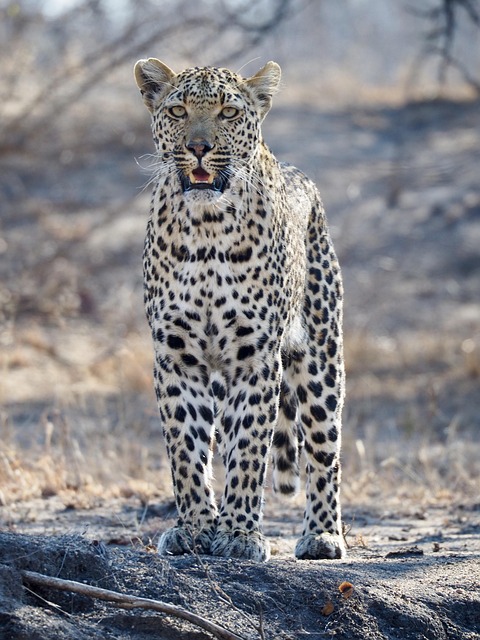
South Africa and Zimbabwe, neighboring countries in Southern Africa, offer distinct cultural immersion experiences for travelers eager to delve into rich traditions and historical sites. While both nations boast vibrant cultural heritages, their unique blends of languages, ethnic groups, and historical trajectories shape vastly different landscapes—from bustling urban centers to serene rural settings.
South Africa, known for its linguistic diversity with eleven official languages, including Zulu, Xhosa, Afrikaans, and English, showcases a complex tapestry of traditional perspectives. This diversity is reflected in various cultural practices, from vibrant music and dance to intricate beadwork and ancient san art. Historical sites like the Soweto uprising memorial and Robben Island underscore the nation’s struggle for democracy, offering profound insights into its past. The country’s education system, with its emphasis on multiculturalism, positively impacts inter-community relations but also presents challenges in ensuring equal access, particularly in rural areas where traditional knowledge systems coexist with modern educational methods.
In contrast, Zimbabwe, home to a diverse population including Shona, Ndebele, and other ethnic groups, has a more centralized approach to language with English as the official tongue alongside 16 indigenous languages. The country’s rich cultural heritage is evident in its vibrant art scene, traditional crafts, and powerful rituals. Historical sites like Victoria Falls and Great Zimbabwe National Monument attract visitors seeking to understand the country’s complex history. Zimbabwe’s rural communities often preserve deep-rooted traditions that offer a glimpse into ancient customs, while urban settings showcase a blend of modern influences and traditional values, creating a unique dynamic.
When considering these countries for cultural immersion, travelers should be mindful of varying crime rates—Zimbabwe, on average, has higher figures than South Africa—and understand the impact of past political and economic challenges on local communities. However, both nations offer incredible opportunities to engage with local cultures through activities like language exchanges, traditional dance performances, and visits to rural villages (where, in South Africa, you might find us exploring road conditions that connect these communities). Engaging with locals can foster a deeper understanding of the human rights struggles and triumphs that have shaped these lands, ultimately enriching the travel experience.
Outdoor Extravaganza: Nature's Best Kept Secrets
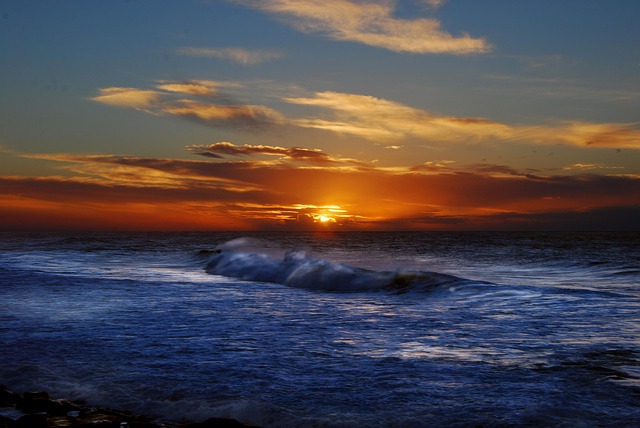
For those seeking an Outdoor Extravaganza, Southern Africa presents a wealth of options between giants like South Africa and Zimbabwe. Both countries boast stunning natural landscapes and diverse ecosystems that offer unparalleled opportunities for exploration. While South Africa’s renowned public healthcare systems (a critical aspect for any traveler) have made it a popular destination for medical tourism, Zimbabwe’s robust traditional music and dance scenes highlight its rich cultural heritage, attracting those interested in immersive cultural experiences.
Zimbabwe stands out with its spectacular natural wonders like Victoria Falls—one of the Seven Natural Wonders of the World—and the vast Hwange National Park, known for its diverse wildlife. Its relatively less-visited status compared to South Africa also makes it a haven for adventure seekers looking to avoid the crowds. Conversely, South Africa offers a range from majestic mountains and pristine beaches to dense forests and savannas. Parks like Kruger National Park showcase the country’s abundant wildlife, making it a premier destination for safari enthusiasts.
A key difference between these two Southern African nations lies in resource distribution; Zimbabwe has been grappling with economic challenges that have impacted its infrastructure development. This is in stark contrast to South Africa, which continues to grow its economy and enhance its tourism sectors. Yet, both countries offer unique opportunities for visitors to connect with nature. For instance, trekking through South Africa’s Garden Route or exploring Zimbabwe’s Great Zimbabwe National Monument—a testament to the region’s rich history.
When planning a trip, remember that accessing these destinations may vary due to resource differences. Public healthcare systems in both countries play vital roles in ensuring traveler safety, with South Africa boasting more robust facilities. To enhance your experience, consider booking tours with local operators who can navigate these landscapes and cultural nuances. And for those seeking to address hunger beyond the trip, visit us at [addressing hunger: government interventions in SA and Zimbabwe] to explore initiatives aimed at supporting food security in both nations.
Through a comprehensive exploration of various categories, this article has unveiled an array of captivating travel destinations across multiple countries. By delving into iconic highlights, unique finds, cultural treasures, and natural wonders, readers have gained access to a diverse range of experiences. The comparison between South Africa and Zimbabwe reveals distinct yet complementary attractions, underscoring the beauty of exploring both for a comprehensive African journey. This guide equips travelers with valuable insights, encouraging them to venture beyond typical choices and embrace the world’s hidden gems. Armed with this knowledge, readers can plan trips that offer authentic, memorable encounters, leaving an indelible mark on their global travel narrative.