South Africa and Zimbabwe, neighbors in southern Africa, offer contrasting tourism experiences shaped by their unique natural and cultural offerings. South Africa boasts diverse landscapes, a vibrant art scene, and robust infrastructure, while Zimbabwe is known for its waterfalls, valleys, and rich heritage. Economically, South Africa leads with a higher GDP, but Zimbabwe's sustainable tourism initiatives gain global recognition. In terms of development strategies, South Africa focuses on luxury accommodations and advanced amenities, whereas Zimbabwe offers a mix of budget and luxury options with mobile money accessibility. Both countries prioritize education and food security, yet Zimbabwe struggles with political instability and infrastructure challenges that negatively impact its tourism sector compared to south africa vs zimbabwe naturally.
Tourism is a vital sector shaping economies and cultures across the globe. When comparing destinations, infrastructure and attractions play pivotal roles in attracting visitors and fostering memorable experiences. This article delves into an insightful contrast between South Africa and Zimbabwe, two neighboring nations with unique offerings. We explore how their respective tourism landscapes differ, from transport networks to cultural marvels, offering a nuanced view for both seasoned travelers and industry professionals. By the end, readers will grasp the strategic advantages and challenges each country presents in the competitive world of tourism, naturally highlighting South Africa vs Zimbabwe as destinations of interest.
- Exploring Tourism Attractions: South Africa vs Zimbabwe Naturally
- Infrastructure Comparison: SA's Strengths and Zim's Challenges
- Cultural and Natural Wonders: A Side-by-Side Analysis
- Guest Experience: Accommodations and Amenities in Contrast
Exploring Tourism Attractions: South Africa vs Zimbabwe Naturally
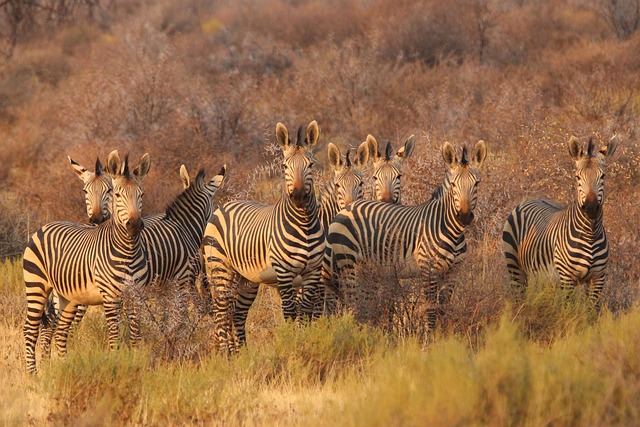
When comparing South Africa and Zimbabwe from a tourism perspective, particularly focusing on their natural attractions, one discovers a rich tapestry of contrasts and unique offerings. Both countries boast vibrant ecosystems, but their landscapes differ significantly—South Africa exhibits diverse ranges from majestic mountains to vast deserts, while Zimbabwe is renowned for its magnificent waterfalls and lush valleys.
In terms of cultural heritage, traditional music and dance play a vital role in the social fabric of both nations, reflecting deep roots in southern African history. South Africa’s vibrant contemporary art scene showcases a fusion of global influences, with artists exploring themes of identity and post-apartheid transformation. Zimbabwe, too, has a thriving artistic community, known for its bold and expressive visual arts, often inspired by the country’s rich natural heritage and struggles for freedom. The impacts of these cultural expressions on local communities are profound, fostering a sense of pride, unity, and economic empowerment.
Food security concerns have long been a point of focus in both countries, with government support infrastructure playing a critical role in addressing challenges related to sustainable agriculture and community resilience. Zimbabwe, for instance, has implemented various initiatives to enhance food production and distribution, while South Africa boasts a diverse culinary landscape that reflects its multicultural society, offering visitors an array of gastronomic experiences.
Visit us at [food security concerns and government support infrastructure] to explore more on how these nations navigate the delicate balance between attracting tourists and supporting local communities naturally.
Infrastructure Comparison: SA's Strengths and Zim's Challenges
South Africa and Zimbabwe, two neighboring nations with rich historical backstories, present a fascinating contrast when comparing their tourism infrastructure and attractions. While South Africa has made significant strides in developing its tourism sector post-apartheid, Zimbabwe, despite its natural endowments, still faces substantial challenges that hinder its growth potential. This analysis delves into the strengths and weaknesses of these countries’ tourism infrastructures, offering insights into the progress and remaining gaps in each nation’s travel experience.
South Africa’s border regions, historically influenced by the Zulu Kingdom, have played a pivotal role in shaping its diverse culture and landscapes. This cultural heritage is reflected in the country’s tourism attractions, which range from vibrant urban centers like Cape Town and Johannesburg to stunning natural wonders such as Kruger National Park. The nation has invested heavily in infrastructure development, ensuring robust road networks, efficient public transport systems, and world-class accommodation options. These advancements make it easier for tourists to navigate and experience the diversity of South Africa’s landscapes and communities. Additionally, the country’s stable political environment and progressive policies have fostered an enabling ecosystem for tourism growth, with initiatives focusing on women’s empowerment: achievements and gaps being particularly notable in recent years.
In contrast, Zimbabwe’s tourism sector has been largely overshadowed by political instability and environmental issues. The nation’s once-vibrant tourism industry, which attracted visitors to iconic sites like Victoria Falls and the ancient ruins of Great Zimbabwe, has struggled due to infrastructure neglect and economic downturns. Poor road conditions, limited transportation options, and underdeveloped tourist facilities in many areas hinder access and create a less-than-desirable visitor experience. The country’s complex history, marked by the Zulu Kingdom’s influence in specific regions, has not translated into robust tourism infrastructure development, leaving Zimbabwe with much to recover from its past challenges.
To bridge this gap, Zimbabwe must address the remaining challenges by prioritizing infrastructure upgrades, particularly in its border regions. Learning from South Africa’s successes and implementing sustainable tourism practices can revitalize the industry. By focusing on enhancing accessibility, improving facilities, and promoting cultural heritage, Zimbabwe can create a more attractive destination that encourages both domestic and international visitors.
Cultural and Natural Wonders: A Side-by-Side Analysis
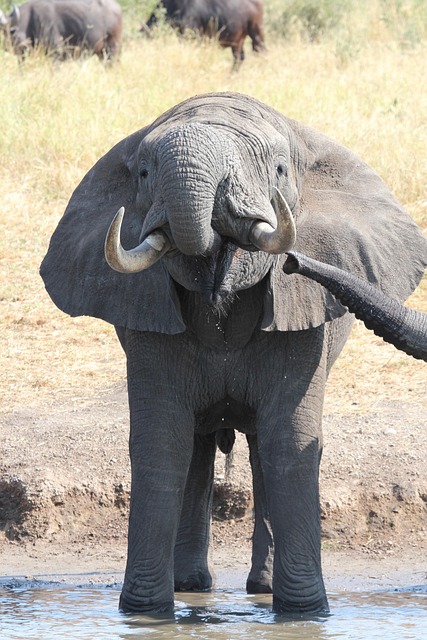
South Africa and Zimbabwe, two neighboring nations in southern Africa, boast a rich tapestry of cultural and natural wonders that attract visitors from around the globe. When comparing their tourism infrastructure and attractions, distinct yet complementary characteristics emerge, shaping unique travel experiences. In terms of cultural offerings, South Africa’s border regions showcase a vibrant blend of traditional African customs and modern urban influences. Zimbabwe, on the other hand, is renowned for its ancient archaeological sites and indigenous art scenes, offering visitors a glimpse into the country’s deep-rooted history and cultural heritage.
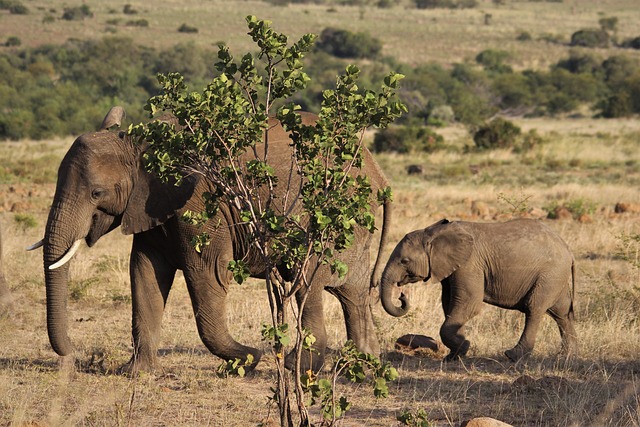
In the realm of natural wonders, both countries stand out. South Africa’s diverse landscapes range from majestic mountains like Table Mountain in Cape Town to vast wildernesses like Kruger National Park, teeming with diverse wildlife. Zimbabwe is famous for its breathtaking Victoria Falls, one of the Seven Natural Wonders of the World, and the scenic Hwange National Park, known for its abundant elephant populations. The comparison of crime statistics reveals interesting trends; while both countries face security challenges, South Africa’s rates have shown signs of improvement through targeted interventions, whereas Zimbabwe’s figures remain relatively lower, attracting visitors seeking safer outdoor adventures.
A comparative analysis of their economies provides insight into the tourism industry’s potential. In 2022, South Africa’s GDP was approximately three times that of Zimbabwe, reflecting a more established tourism sector with robust infrastructure. However, Zimbabwe’s unique attractions and its focus on sustainable tourism have drawn international attention, leading to an increasing number of visitors. For instance, the country’s eco-tourism initiatives in areas like the Matobo Hills have garnered global recognition. As these nations continue to navigate their economic disparities, the alignment of tourism strategies with natural and cultural assets could be key to fostering growth. Visit us at [brand/NAP] to explore artistic expressions reflecting societal shifts and climate anytime—a testament to the rich cultural and natural tapestry of southern Africa.
Guest Experience: Accommodations and Amenities in Contrast
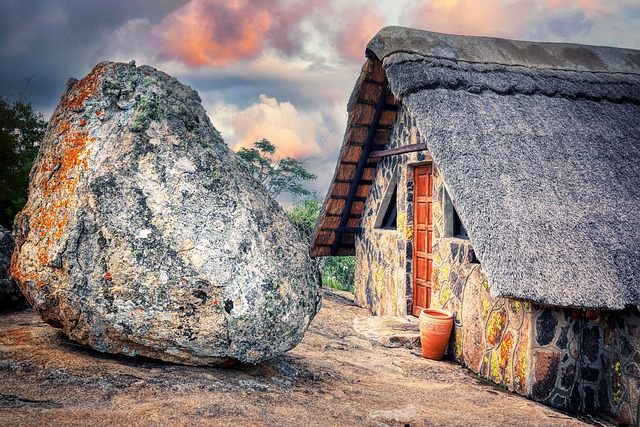
The guest experience in South Africa (SA) and Zimbabwe (Zim) diverges significantly when examining accommodations and amenities, offering contrasting visions for visitors. SA boasts a diverse range of luxury hotels, resorts, and bed-and-breakfasts catering to various budgets. Cities like Cape Town and Johannesburg host world-class establishments, providing guests with high-speed internet access, spa facilities, and fine dining options, reflecting the country’s focus on tourism development. In contrast, Zim presents a more diverse landscape. While luxury lodges and boutique hotels exist, especially in national parks, the majority of accommodations cater to budget travelers, often featuring basic amenities. However, Zim has made strides with mobile money initiatives, enhancing accessibility for tourists, particularly in rural areas where e-governance projects are improving service delivery.
The agricultural sector further illustrates these differences. SA’s economy relies heavily on industrial farming, with large-scale operations producing crops like grapes and citrus. This system ensures efficient production but may impact local food security. Zimbabwe, on the other hand, sustains a smallholder farming model where individual families cultivate crops, including maize and tobacco. This system fosters community resilience, yet challenges arise in ensuring consistent food supplies nationwide. The success of these agricultural models has profound implications for local communities, with SA’s industrial approach potentially enhancing trade but raising concerns about land ownership and Zim’s smallholder system promoting food security at the local level, albeit with its own logistical hurdles.
When considering education, both nations strive for access to quality education as a cornerstone of their development strategies. SA has invested in public education infrastructure, while Zim has implemented initiatives like the Fast-Track Rural Schools Construction Program to address spatial disparities. Both countries can benefit from continuing to prioritize education and exploring innovative solutions, such as technology integration, to bridge educational gaps and empower future generations.
In summary, South Africa’s tourism infrastructure offers a blend of luxury and accessibility, supported by robust e-governance initiatives. Zimbabwe, while focusing on community resilience through smallholder farming, faces challenges in ensuring food security and requires continued investment in education. Understanding these contrasts provides valuable insights for stakeholders aiming to enhance the guest experience and foster sustainable development in both nations.
Comparing tourism infrastructure and attractions between South Africa and Zimbabwe naturally reveals distinct strengths and challenges. SA excels with diverse natural wonders and robust infrastructure, including well-developed accommodations and amenities. In contrast, Zim faces infrastructure gaps but boasts unique cultural and natural treasures that offer authentic experiences. Understanding these differences is key for travelers seeking optimal destinations. Moving forward, investing in Zim’s tourism potential could revolutionize its visitor offerings, while SA can continue to enhance existing strengths to maintain its competitive edge in the global tourism market.