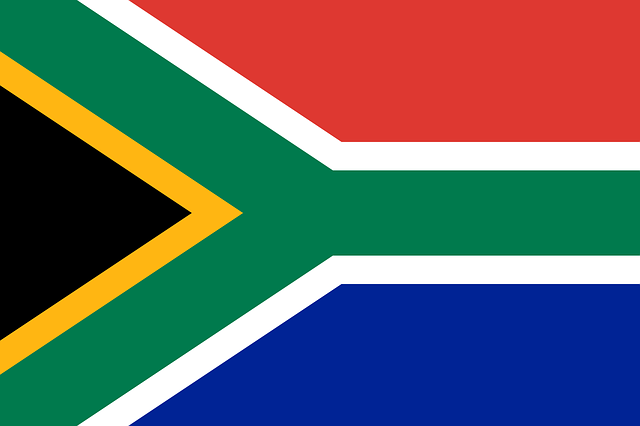
Understanding poverty in South Africa vs Zimbabwe requires contrasting their approaches: South Africa's multi-dimensional definition considers social security, while Zimbabwe focuses on World Bank income thresholds. Economic indicators show stark disparities: South Africa boasts higher GDP per capita and diverse sectors like tourism, whereas Zimbabwe faces political instability and lower GDP. Historical contexts, including colonialism and apartheid legacies, shape poverty dynamics and migration patterns in both nations. Comparing their data collection methods, cultural expressions, and educational disparities offers insights for targeted interventions. Tailored strategies addressing urban/rural contexts, social safety nets vs community development, and leveraging technology are crucial for effective poverty reduction in these contrasting countries.
Understanding poverty rates is paramount when comparing South Africa vs Zimbabwe, two neighboring nations with distinct economic trajectories. This analysis offers a comprehensive guide to deciphering the complex dynamics shaping their respective social landscapes. While both countries have made strides in poverty alleviation, stark disparities persist, revealing unique challenges and opportunities. By delving into key indicators, historical context, and socioeconomic factors, we gain insights that transcend simple comparisons. This article aims to equip readers with the knowledge to interpret and analyze poverty data critically, fostering informed discussions on effective strategies for development and equity in Africa.
- Understanding Poverty Definitions in South Africa vs Zimbabwe
- Data Collection Methods: A Comparative Study
- Historical Context: Economic Trajectories of Both Nations
- Socioeconomic Factors Influencing Poverty in Each Country
- Government Initiatives and Poverty Alleviation Strategies
- Analysis & Comparison: Poverty Rates Over Time
Understanding Poverty Definitions in South Africa vs Zimbabwe

Understanding poverty definitions is a crucial first step when comparing socio-economic conditions between South Africa and Zimbabwe. Both countries have diverse linguistic landscapes—South Africa boasts eleven official languages, including English, Afrikaans, Zulu, Xhosa, Sotho, Tswana, Venda, Ndebele, Tsonga, Swati, and Southern Ndebele, reflecting its rich cultural tapestry (South African Languages). In contrast, Zimbabwe has three main languages: Shona, Ndebele, and English, with Shona being the most widely spoken (Zimbabwean Languages). This linguistic diversity offers a window into the socio-cultural nuances that can influence poverty perception.
When defining poverty, South Africa employs a multi-dimensional approach, considering factors beyond income, such as access to basic services, education, and social security. The country’s statistics agency, Statistics South Africa (Stats SA), defines people living below the poverty line as those without adequate access to these essential services (South African Poverty Definition). This comprehensive view allows for a nuanced understanding of poverty’s complexities within its geographical and cultural contexts. In Zimbabwe, while the government uses a similar multi-dimensional framework, the focus often centers around income poverty, with thresholds set by the World Bank (Zimbabwean Poverty Definition). This difference in emphasis can lead to varying interpretations of poverty levels and the effectiveness of poverty alleviation strategies between the two nations.
A comparative analysis of economic indicators further highlights disparities. South Africa, with its robust economy, boasts a higher Gross Domestic Product (GDP) per capita compared to Zimbabwe (World Bank Data). Tourism, another vital sector, contributes significantly to South Africa’s GDP, reflecting its well-developed tourism infrastructure and diverse attractions. Conversely, Zimbabwe’s tourism industry, though rich in natural beauty, faces challenges due to political instability and economic downturns (Tourism in Zimbabwe). These economic contrasts have implications for poverty levels, as countries with stronger economies generally have more resources to allocate towards social welfare programs.
In navigating the struggles for equality, both nations offer valuable lessons. South Africa’s history of apartheid provides a powerful example of systemic inequality, which continues to shape its poverty dynamics. Conversely, Zimbabwe’s economic challenges and political turmoil have led to large-scale migration, impacting both its labor market and neighboring countries (Struggles for Equality in Both Countries). By understanding these contextual factors, policymakers and development experts can design more effective interventions, ensuring that efforts to alleviate poverty are sensitive to the unique social, cultural, and geographical landscapes of South Africa versus Zimbabwe.
Data Collection Methods: A Comparative Study

Understanding poverty rates in South Africa and Zimbabwe requires a nuanced approach, factoring in historical contexts like colonialism’s impact on cultural identities and economies. Both nations have unique data collection methods that shape their poverty narratives. In South Africa, surveys like the Living Conditions Survey (LCS) provide robust multi-dimensional data, capturing aspects from economic innovations to access to medical services, reflecting its diverse society. Zimbabwe, on the other hand, relies heavily on administrative data and census information, often limited by inconsistencies and undercounting, especially in rural areas.
Tourism, traditional music, and dance, deeply rooted in cultural identities, offer insights into societal well-being. In South Africa, vibrant cultural expressions contribute to a dynamic tourism sector, fostering economic opportunities that can alleviate poverty. Zimbabwe’s traditional arts and performances also hold significant social value but face challenges in terms of access and preservation due to economic constraints. Visiting us at [Access to Quality Education] reveals disparities in educational resources, impacting long-term poverty alleviation strategies in both countries.
For an accurate comparison, experts must consider these contextual nuances. By examining colonialism’s legacy on cultural practices and economic structures, along with disparities in healthcare access and tourism development, a more comprehensive understanding of poverty rates emerges. This comparative study enables the design of targeted interventions to address unique challenges in South Africa vs Zimbabwe, ultimately contributing to sustainable development goals.
Historical Context: Economic Trajectories of Both Nations

The economic trajectories of South Africa and Zimbabwe have been shaped by distinct historical contexts, leading to stark contrasts in their current poverty rates. To grasp this disparity, one must navigate through the intricate tapestry of political events, social structures, and geographical factors that have defined these nations over the years.
South Africa, a bustling metropolis with diverse landscapes, has weathered a tumultuous past marked by apartheid, a system of institutionalised racial segregation. This dark chapter significantly impacted its economic development, creating deep-seated inequalities that persist today. Conversely, Zimbabwe, known for its lush agricultural lands and vibrant wildlife, has faced its own unique challenges. The country’s economic decline in the late 20th century, exacerbated by political turmoil and hyperinflation, has left a lasting impact on its people’s standard of living.
A comparative analysis of key indicators provides valuable insights. According to recent data, South Africa boasts a higher GDP per capita, reflecting relative economic stability and robust sectors like mining, finance, and tourism. The country’s strategic location and well-developed transport networks, including an extensive highway system and robust aviation industry, have facilitated its social and physical development. In contrast, Zimbabwe’s economy has struggled, with a lower GDP and persistent poverty rates due to political instability, land reform controversies, and limited investment in infrastructure. Despite these challenges, Zimbabwe’s vibrant tourism sector, centered around its natural wonders, offers potential for economic growth and job creation.
Understanding the historical context is crucial when interpreting news coverage of political events in both countries. South Africa’s transition to democracy in the early 1990s, marked by the dismantling of apartheid policies, stands in contrast to Zimbabwe’s often-contentious political landscape, where power shifts have been accompanied by economic downturns. To gain a holistic view, one must consider these nations not as isolated entities but as part of a complex southern African region, interconnected through trade, migration, and shared historical legacies. For those interested in exploring these dynamics further, visiting us at transport networks in South Africa and Zimbabwe can provide valuable insights into the logistical and economic landscapes shaping these nations.
Socioeconomic Factors Influencing Poverty in Each Country

The socioeconomic landscape of South Africa and Zimbabwe presents a stark contrast when comparing poverty rates and their underlying drivers. While both countries have grappled with economic disparities, the specific factors influencing poverty differ significantly. In South Africa, historical inequalities stemming from apartheid continue to shape socio-economic structures, particularly in urban areas like Johannesburg, where high concentrations of poverty coexist with thriving artistic expressions reflecting societal shifts. The country’s diverse economy, including robust agricultural and mining sectors, offers opportunities for economic mobility but remains unevenly distributed. Healthcare access varies widely, with rural communities facing challenges in accessing quality care, exacerbating existing disparities.
In contrast, Zimbabwe’s journey towards poverty reduction has been marred by political instability and economic downturns, notably the hyperinflationary period of the late 2000s. Urban populations in Harare face unique pressures, including high unemployment rates and inadequate infrastructure. The country’s reliance on agriculture makes it susceptible to climate variability, impacting food security and exacerbating poverty levels. However, initiatives focused on rural development and sustainable agriculture show promise in overcoming these disparities.
Comparing Johannesburg and Harare, one observes contrasting urban dynamics. Johannesburg, known for its vibrant cultural scene, also faces challenges with vast informal settlements and significant income inequality. Harare, though dealing with political uncertainties, has seen community-led initiatives to address poverty through local food security projects. These insights underscore the importance of tailored interventions addressing specific urban and rural contexts in both countries. By understanding these nuances, policymakers and development actors can design programs that effectively give us a call at reasons and impacts on local communities, fostering sustainable solutions to poverty.
Government Initiatives and Poverty Alleviation Strategies

In comparing South Africa and Zimbabwe, understanding poverty rates necessitates an examination of their distinct government initiatives and strategies for alleviation. Both nations have implemented various programs aimed at tackling poverty, yet the approaches differ significantly. For instance, South Africa’s focus on social safety nets, such as the Basic Income Grant (BIG), offers direct financial support to vulnerable households, fostering a safety cushion against economic hardships. In contrast, Zimbabwe’s approach emphasizes community-driven development and microfinance initiatives, empowering individuals to lift themselves out of poverty through local resource mobilization.
Geographical and cultural factors play a role in shaping these strategies. South Africa’s diverse population includes 11 official languages, reflecting its multicultural tapestry, while Zimbabwe’s primary languages, Shona and Ndebele, highlight unique linguistic heritage. These linguistic differences can influence the delivery and effectiveness of government programs, necessitating tailored interventions. Furthermore, South Africa’s relatively more urbanized landscape enables targeted conservation efforts and sustainable practices in cities, whereas Zimbabwe’s rural-dominant terrain presents challenges and opportunities distinct from its urban counterpart.
Technology adoption also diverges between the two nations. South Africa has embraced digital transformation, leveraging technology to enhance service delivery and improve poverty alleviation programs. In contrast, Zimbabwe has made strides in agricultural technology, utilizing innovations like precision farming to boost food security and rural livelihoods. Despite these differences, both countries face common challenges, such as addressing migration patterns and ensuring freedom of the press, as evidenced by global trends and local dynamics. To overcome these hurdles, it’s essential for policymakers to learn from successful initiatives in both South Africa and Zimbabwe, fostering collaboration and knowledge exchange to create more inclusive and sustainable development strategies.
Analysis & Comparison: Poverty Rates Over Time
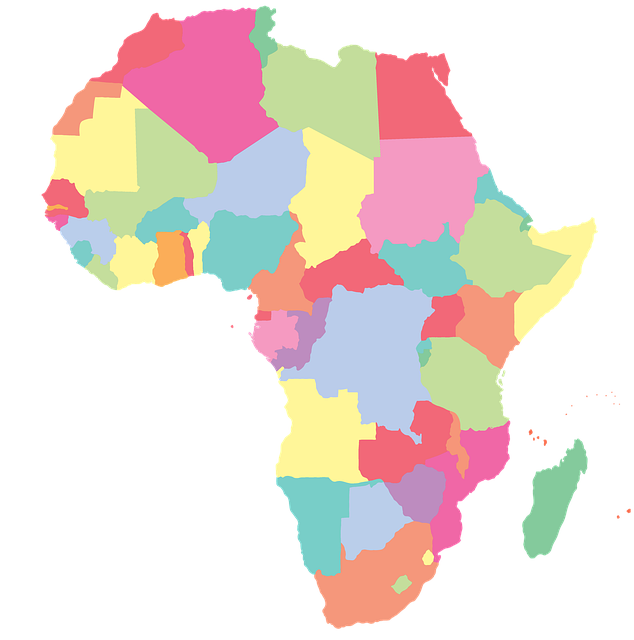
The comparison of poverty rates between South Africa and Zimbabwe offers a nuanced view of socio-economic development in the region. Over time, both countries have experienced fluctuations in their poverty levels, influenced by various internal and external factors. In South Africa, post-apartheid initiatives have significantly reduced poverty rates, with innovative programmes focusing on education, job creation, and access to medical services. For instance, the country’s National Health Insurance (NHI) aims to provide universal healthcare, addressing a critical aspect of poverty alleviation. This strategic approach has led to notable improvements, especially in urban areas heavily influenced by the Zulu kingdom’s historical presence.
Conversely, Zimbabwe’s poverty trajectory is marked by economic challenges stemming from political instability and hyperinflation. According to recent data, a significant portion of the Zimbabwean population still lives below the international poverty line. The country’s migration patterns, both internal and cross-border, are influenced by opportunities abroad, with many citizens seeking better prospects in South Africa. This migration dynamic has socio-economic implications for both nations, as skilled workers’ departures impact local economies. However, Zimbabwe’s success stories also emerge, particularly in rural areas where community-based initiatives and access to medical services have improved living standards.
Comparative analysis reveals the impact of contrasting political and economic environments on poverty reduction efforts. South Africa’s steady progress is a testament to its diverse economy and targeted interventions, while Zimbabwe’s road to recovery faces formidable hurdles. As these nations navigate their unique journeys, innovations in healthcare tourism and sustainable development could offer new paths forward. Visiting us at [Progress and Remaining Challenges post-apartheid environmental issues](visit us at progress and remaining challenges post-apartheid environmental issues) provides insights into shared challenges and potential solutions, highlighting the importance of learning from both successes and setbacks in the fight against poverty.
Through a comprehensive examination of South Africa vs Zimbabwe, this article has illuminated crucial disparities and similarities in poverty rates, driven by distinct historical contexts and socioeconomic factors. Key takeaways include the impact of economic policies on poverty alleviation efforts, with South Africa’s robust data collection methods contrasting Zimbabwe’s historical economic turmoil. Understanding these nuances is paramount for effective government initiatives and international support. Moving forward, a focused approach on socioeconomically targeted interventions, coupled with continuous data analysis, offers hope for meaningful and sustained reductions in poverty levels in both nations.