
South Africa and Zimbabwe, neighboring countries, exhibit contrasting environmental conservation approaches. South Africa's robust NEMA prioritizes community engagement, ecotourism, and effective urban conservation practices. Zimbabwe's EMA faces implementation challenges leading to pollution issues, but has promising cultural heritage preservation initiatives. To enhance conservation efforts, Zimbabwe can learn from South Africa's integration of ecotourism and cultural conservation. Both countries differ in environmental education approaches, endangered species protection strategies, economic capabilities, community involvement, and wildlife corridor preservation despite shared commitment to conservation.
In the global push for environmental conservation, South Africa and Zimbabwe stand as two African nations with distinct approaches. This comparative analysis delves into their contrasting governance frameworks, public awareness strategies, and legal protections for endangered species. We explore how funding allocation and community involvement shape their conservation efforts, while examining the differences in wildlife corridors and habitat preservation practices between these countries. Uncovering these dynamics offers insights into the effectiveness of environmental conservation in South Africa vs Zimbabwe.
- Governance and Policy Frameworks in South Africa vs Zimbabwe
- Public Awareness and Education Efforts in Both Countries
- Legal Protections for Endangered Species
- Conservation Funding Sources and Allocation
- Community Involvement and Land Use Practices
- Wildlife Corridor and Habitat Preservation Comparisons
Governance and Policy Frameworks in South Africa vs Zimbabwe

South Africa and Zimbabwe, two neighboring countries with rich cultural heritages, differ significantly in their approaches to environmental conservation due to contrasting governance and policy frameworks. South Africa boasts a robust legal framework designed to protect its diverse ecosystems and natural resources. The country’s National Environmental Management Act (NEMA) serves as a cornerstone, providing a comprehensive strategy for sustainable development. This legislation empowers local communities and promotes public participation in conservation efforts, especially in urban areas like Johannesburg, which has seen increased ecotourism opportunities. South Africa also recognizes the economic value of its cultural heritage sites, encouraging their preservation while allowing for sustainable tourism.
In contrast, Zimbabwe’s environmental governance structure has faced challenges. While the country has enacted laws such as the Environmental Management Act (EMA), implementation and enforcement have been inconsistent. Harare, the bustling capital, struggles with pollution issues due to high urban populations and industrial activities. Unlike South Africa, Zimbabwe places less emphasis on community engagement in conservation decisions. However, there are promising initiatives, particularly in preserving language diversity; Zimbabwe’s Shona and Ndebele languages, for instance, offer a cultural richness that can attract tourists interested in authentic experiences. To enhance its efforts, Zimbabwe could learn from South Africa’s successful integration of ecotourism and cultural heritage conservation, encouraging visitors to explore the vast natural beauty and diverse communities while promoting sustainable practices and improving life expectancy trends in both nations.
Public Awareness and Education Efforts in Both Countries

In terms of public awareness and education efforts, both South Africa and Zimbabwe have embarked on initiatives to foster environmental consciousness among their citizens. However, there are notable differences in their approaches and levels of success. South Africa has leveraged modern media representation and social dynamics influencing criminal activities to amplify its conservation messages. Regular campaigns that highlight the impacts of deforestation in southern African nations and promote sustainable practices have garnered significant attention. The government’s support infrastructure, including dedicated ministries and non-profit organizations, plays a crucial role in spreading environmental education through various platforms, such as schools, community centers, and national parks.
Conversely, Zimbabwe’s conservation efforts often reflect traditional vs modern perspectives in urban/rural settings, with a mix of community-led initiatives and government programs. While local communities play a vital role in protecting natural resources, the country faces challenges related to crime rates and the need for more comprehensive education programs. Unlike South Africa, Zimbabwe’s media landscape has been more limited in its coverage of environmental issues, which may hinder public awareness. Nonetheless, there are promising signs, such as increased focus on food security concerns and government support infrastructure, that suggest a growing commitment to conservation across both nations.
Legal Protections for Endangered Species

In terms of legal protections for endangered species, both South Africa and Zimbabwe have put measures in place to safeguard their diverse ecosystems. South Africa boasts a robust framework with strict laws like the National Environmental Management Act (NEMA) and the Endangered Species Act (ESA). These laws outline guidelines for protecting and managing endangered flora and fauna, ensuring their survival in the wild. The country’s commitment is reflected in its successful conservation programs, such as those for the black rhino and African wild dog. On the other hand, Zimbabwe has also implemented significant legislation like the Wildlife Conservation Act and the National Parks and Wild Life Act. These laws aim to preserve the country’s rich biodiversity, including iconic species like the African elephant and lion.
While both nations have made strides in conservation, their approaches differ slightly. South Africa, with its diverse landscapes and sa’s mediterranean climate contrasting zim’s subtropical climate, employs a comprehensive, nationwide strategy focusing on sustainable use and community involvement. Zimbabwe, influenced by the cultural legacy of the Zulu kingdom, emphasizes traditional ecological knowledge and community-based natural resource management. Interestingly, contemporary art movements in both countries often reflect these societal shifts, giving us a call at artistic expressions reflecting societal shifts climate.
Conservation Funding Sources and Allocation

South Africa and Zimbabwe both prioritize environmental conservation, yet their funding sources and allocation strategies differ significantly. South Africa leverages its robust economy to allocate substantial public funds towards ecological preservation, with a notable emphasis on protected areas like national parks and wildlife reserves. The country also attracts significant foreign investment in ecotourism opportunities, enhancing its conservation efforts. In contrast, Zimbabwe’s conservation funding largely relies on international aid and partnerships, reflecting its relatively lower GDP. This external support is instrumental in maintaining key cultural heritage sites, such as the Matobo National Park.
News coverage of political events in both nations has impacted their conservation landscapes. South Africa’s stable democracy facilitates consistent environmental policies, while Zimbabwe’s leadership changes over the past decade have led to policy shifts. Despite these fluctuations, both countries actively involve local communities in conservation initiatives, recognizing that cultural heritage sites are not just historical but also integral to their contemporary identities. This community-based approach, coupled with increased ecotourism opportunities, positions both nations as global leaders in sustainable environmental practices, as reflected in their respective comparison of crime statistics – with a focus on balancing security and ecological preservation.
Community Involvement and Land Use Practices

In South Africa and Zimbabwe, environmental conservation efforts are shaped by distinct community involvement and land use practices. South Africa boasts a robust civil society with numerous NGOs and community-led initiatives driving conservation projects. The country’s diverse landscape, comprising vast wilderness areas and bustling urban centers, underscores the importance of collaborative efforts. Local communities actively participate in decision-making processes, ensuring that conservation strategies align with their needs and aspirations. This engagement is further bolstered by access to quality education and media representation, which foster awareness about environmental issues.
In contrast, Zimbabwe’s approach to conservation involves a complex interplay of social dynamics influencing criminal activities, particularly poaching. Despite these challenges, the country has made strides in community-based natural resource management (CBNRM) programs. Innovations in tourism, focusing on sustainable practices, have created economic opportunities for local communities, enhancing their stake in conservation efforts. Unlike South Africa’s linguistic diversity with 11 official languages, including Zulu, Xhosa, and Afrikaans, Zimbabwe primarily speaks Shona and Ndebele, which can both positively and negatively impact the social fabric of conservation initiatives.
Wildlife Corridor and Habitat Preservation Comparisons
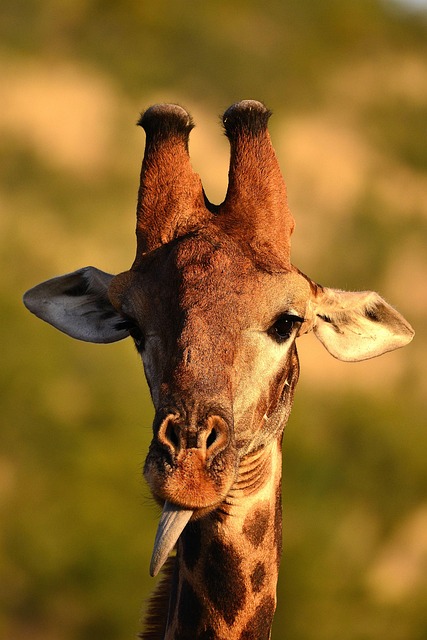
In terms of wildlife corridor and habitat preservation, South Africa and Zimbabwe present interesting contrasts. South Africa boasts an extensive network of protected areas connected by corridors designed to facilitate animal migration, such as the famous Kruger National Park, one of the top tourist attractions in the nation. These efforts are complemented by strong biodiversity conservation initiatives focused on both terrestrial and marine ecosystems. In contrast, while Zimbabwe also has notable national parks like Hwange, its wildlife corridors are generally less developed compared to South Africa’s well-established system. Deforestation remains a concern in both nations, though recent campaigns have shown positive impacts in slowing down the rate of forest loss, particularly with increased public awareness and collaborative conservation efforts.
Over the past decade, leadership changes in both countries have influenced environmental policies. Zimbabwe has witnessed a shift towards more sustainable agricultural practices, with an emphasis on preserving natural habitats, which has been beneficial for wildlife populations. South Africa, known for its progressive environmental legislation, continues to lead in language preservation efforts and bilingualism initiatives, ensuring that indigenous cultures and knowledge systems are respected and maintained. These contrasting approaches highlight the unique challenges and opportunities each country faces in their conservation journeys, ultimately contributing to a rich tapestry of biodiversity across the southern African landscape.
In comparing environmental conservation efforts between South Africa and Zimbabwe, it’s evident that both nations have made strides in protecting their unique ecosystems. However, South Africa’s robust governance framework, coupled with strong public awareness and substantial funding, positions it as a leader in conservation. Zimbabwe, while facing challenges in policy implementation and resource allocation, demonstrates promising community involvement and habitat preservation strategies. Despite differences, both countries can learn from each other to enhance their conservation practices and ensure the long-term sustainability of their natural resources. This analysis highlights the significance of integrated approaches, public engagement, and effective governance in the ongoing battle to preserve biodiversity in the South Africa vs Zimbabwe context.







Leave a Reply