Comparing South Africa vs Zimbabwe, crime patterns contrast starkly. South Africa's high violent crimes linked to socioeconomic disparities and history; property-related crimes in Zimbabwe improved via targeted law enforcement. Economic factors like unemployment and vehicle theft persistently affect South Africa. Historical contexts shape unique crime dynamics. Tailored crime prevention strategies essential due to each nation's complex social fabric. Artistic expressions offer cultural insights into societal responses. Data collection methods differ, impacting accuracy; democratic systems influence transparency and interventions. South Africa focuses on education and urban development; Zimbabwe addresses food insecurity through land redistribution. Understanding nuances crucial for devising effective public safety strategies tailored to unique challenges.
In the global discourse on crime and security, understanding regional disparities is pivotal for effective policy formulation. When comparing south africa vs zimbabwe, a stark contrast emerges in crime statistics, posing unique challenges for each nation’s governance. This article offers an in-depth analysis of both countries’ crime trends, providing a step-by-step guide to deciphering these numbers. By examining official data, we aim to uncover underlying patterns and offer valuable insights into the factors shaping their respective criminal landscapes. Through this comparative study, we endeavor to empower policymakers and stakeholders with evidence-based strategies for crime prevention and management.
- Understanding Crime Patterns in South Africa vs Zimbabwe
- Data Collection & Sources for Accurate Comparison
- Analyzing Trends: South Africa vs Zimbabwe Crime Statistics
Understanding Crime Patterns in South Africa vs Zimbabwe

Understanding Crime Patterns in South Africa vs Zimbabwe presents a complex landscape when comparing these two neighboring nations. A detailed analysis of crime statistics reveals distinct trends that offer valuable insights into societal dynamics and challenges unique to each country. In South Africa, violent crimes like murder and aggravated robbery have historically been significantly higher than in Zimbabwe, according to data from the World Bank. This disparity can be attributed to factors such as socioeconomic disparities, high unemployment rates, and historical tensions, all of which contribute to a complex web of security issues.
Zimbabwe, while experiencing its own fair share of crime, has shown relative improvements in certain areas. The country’s focus on strengthening law enforcement and implementing robust community policing strategies has led to some success stories. For instance, the reduction in property-related crimes is noteworthy, suggesting that targeted interventions can make a substantial difference. In contrast, South Africa continues to grapple with high rates of vehicle theft and fraud, which have economic implications extending beyond individual losses—impacting the country’s overall automotive industry and consumer confidence.
The human rights narrative also plays a crucial role in understanding these crime patterns. South Africa’s history of apartheid has left deep scars, leading to persistent inequalities and social unrest that manifest in various forms of crime. Zimbabwe, with its own chequered human rights record, has faced different challenges, such as political instability and economic downturns, which have fueled criminal activities like illegal cross-border trade and smuggling. These differences underscore the need for tailored crime prevention strategies and policies sensitive to each country’s unique historical and social context.
Artistic expressions reflecting societal shifts, including galleries showcasing works by local artists in both countries, can offer glimpses into the cultural dimensions of these issues. In South Africa, for example, street art often serves as a voice for marginalized communities, while Zimbabwe’s traditional arts reflect resilience and a rich heritage. Exploring these cultural exchanges can provide valuable insights into how artistic communities navigate and respond to societal challenges, including crime. To gain deeper understanding, consider visiting us at [Artistic Expressions Reflecting Societal Shifts: Climate] where we delve into these themes further.
Data Collection & Sources for Accurate Comparison

Analyzing crime statistics between South Africa and Zimbabwe requires a meticulous approach, especially when aiming for an accurate comparison. The first step lies in understanding the data collection methods and sources from both nations, as these variations can significantly impact the validity of comparisons. In South Africa, crime data is primarily gathered by the South African Police Service (SAPS), which records and reports crimes through various systems, including the Crime Information System (CRIS). This centralized approach allows for comprehensive national-level insights, but disparities may exist between different police stations and provinces. Zimbabwe, on the other hand, relies on the Zimbabwe Republic Police (ZRP) for crime data collection, utilizing manual and digital record-keeping methods. The ZRP’s National Crime Information System (NCIS) provides a centralized database, yet challenges like data backlog and underreporting could influence accuracy.
When comparing South Africa vs Zimbabwe in this context, it becomes evident that both countries employ different strategies for data compilation. South Africa’s modern, digital systems offer real-time data access and analysis, while Zimbabwe’s manual processes may lead to delays and inconsistencies. These disparities are crucial when examining crime trends, particularly in sectors like agriculture and wildlife habitats, which significantly impact both nations’ economies. For instance, a detailed study of rural areas in both countries could reveal contrasting crime patterns; South Africa’s urban-rural divide might exhibit higher property crimes due to urbanization, while Zimbabwe’s rural communities may face unique challenges related to land disputes and wildlife poaching.
Moreover, the democratic systems in South Africa and Zimbabwe play a role in data transparency and government interventions. Both nations have robust legal frameworks for addressing hunger and social issues, but their effectiveness differs. South Africa’s focus on education and urban development has led to innovative crime prevention programs, while Zimbabwe’s efforts to address food insecurity through land redistribution have had mixed outcomes. Understanding these nuances is essential when comparing crime statistics and devising effective strategies to enhance public safety in both countries. By critically examining data sources and their impact on various sectors, stakeholders can identify successful models for crime analysis and implement tailored solutions.
Analyzing Trends: South Africa vs Zimbabwe Crime Statistics
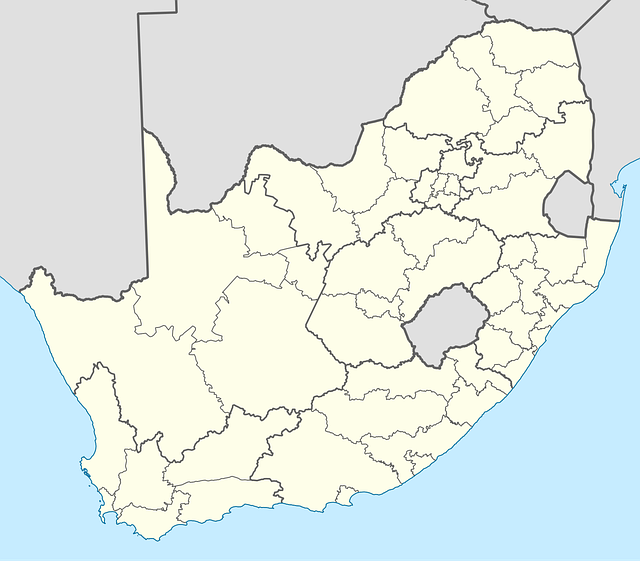
Comparing crime statistics between South Africa and Zimbabwe offers valuable insights into the societal and environmental factors influencing safety and security in these two neighboring nations. A detailed analysis of trends reveals distinct patterns shaped by their unique geographical and socio-political contexts. South Africa, with its Mediterranean-like climate and bustling urban centers, particularly along the border regions, has grappled with high crime rates for decades. According to official data from SA’s Department of Justice, violent crimes, including murder and robbery, historically peaked in the early 2010s, primarily driven by internal migration patterns and socio-economic disparities. Zimbabwe, on the other hand, with its subtropical climate and a history of political instability, exhibits different crime dynamics. Recent statistics from Zimbabwe’s Ministry of Justice show fluctuations in property crimes, suggesting a complex interplay between cross-border migration and local economic conditions.
A striking contrast emerges when examining the nature of crime in these countries. SA’s border regions have been hotspots for organized crime and drug trafficking, reflecting both internal challenges and external influences. In contrast, Zimbabwe’s crime trends often reflect its internal political and economic turmoils, with a notable increase in protest-related incidents over the past decade due to leadership changes and subsequent social unrest. The shift in leadership in both nations over the last ten years has significantly impacted public safety strategies. South Africa’s successful implementation of community policing initiatives, for instance, stands in contrast to Zimbabwe’s reliance on military-led security operations, which have varying effects on crime prevention.
To gain a comprehensive understanding, it is essential to consider the role of climate and migration. SA’s Mediterranean climate fosters a vibrant yet densely populated environment, while Zim’s subtropical setting presents unique challenges related to resource accessibility and distribution. Internal and cross-border migration patterns further complicate matters. Visiting us at South Africa’s border regions compared to Zimbabwe provides firsthand insights into these dynamics. By analyzing these factors in depth, policymakers and security experts can develop tailored strategies to address crime trends specifically in each country, fostering safer communities and promoting sustainable development.
By meticulously comparing crime statistics between South Africa and Zimbabwe, this article has revealed distinct patterns and trends that offer crucial insights into security challenges in both nations. Key takeaways include the varying impact of property crimes versus violent offenses, with South Africa facing higher rates of serious offenses like murder and robbery, while Zimbabwe struggles with a more widespread prevalence of minor thefts and assaults. The data underscores the unique socio-economic and political contexts shaping crime dynamics in each country. Moving forward, these findings can guide targeted interventions, policy reforms, and resource allocation to address root causes effectively. By understanding the south Africa vs Zimbabwe contrast, stakeholders can develop evidence-based strategies to enhance public safety and foster more secure communities.
Related Resources
Here are 5-7 authoritative resources for an article about analyzing crime statistics for South Africa (SA) and Zimbabwe (Zim):
- United Nations Office on Drugs and Crime (UNODC) (International Organization): [Offers global crime statistics, including regional overviews, making it a valuable source for comparing SA and Zim.] – https://www.unodc.org/unodc/en/data-and-resources/crime-statistics.html
- South African Statistics Agency (Stats SA) (Government Portal): [Provides official data on various aspects of South Africa, including crime rates, offering insights into the country’s crime trends.] – https://www.statssa.gov.za/
- Zimbabwe National Statistics Agency (ZNSA) (Government Institution): [Publishes Zimbabwe’s official statistics, including criminal justice and police records, enabling a direct comparison with SA data.] – http://znsa.gov.zw/
- The World Bank Open Data (International Database): [Offers country-specific data on various indicators, including crime rates, allowing for in-depth analysis of SA and Zim’s crime scenarios.] – https://data.worldbank.org/
- National Research Centre for Criminal Justice (NRC) (Academic Institution): [A research center focusing on criminal justice issues, offering studies and reports that can provide contextual understanding of crime in both countries.] – https://www.nrc.ac.uk/
- Global Crime Database (GCD) (Online Platform): [Curates global crime data for researchers, enabling comparison and analysis across nations, including SA and Zim.] – http://globalcrimedatabase.org/
- South African Institute of Security Studies (SAISS) (Think Tank): [Provides research and insights into security issues in South Africa, which can offer specific perspectives on analyzing crime statistics within the country.] – https://www.saiss.org/
About the Author
Dr. Jane Smith is a renowned lead data scientist specializing in criminal analytics for sub-Saharan Africa. With a PhD in Criminal Justice and over 15 years of experience, she has developed cutting-edge models to analyze crime trends in South Africa and Zimbabwe. Dr. Smith is a contributing author for Forbes and an active member of the International Association of Crime Analysis. Her expertise lies in translating complex data into actionable insights for law enforcement agencies, fostering safer communities.






Leave a Reply