South Africa vs Zimbabwe for wildlife and cultural experiences offers distinct advantages. South Africa boasts diverse ecosystems, iconic landscapes, and well-connected cities, with robust conservation efforts and democratic systems. Zimbabwe features vast wilderness areas, unique microclimates, and community-based natural resource management, providing intimate encounters with raw beauty. Both countries excel in ecotourism, offering memorable safaris and cultural immersion through local communities. Choosing between them depends on preferences for ecosystem diversity vs untouched wilderness, modern infrastructure vs traditional experiences, and cultural exploration needs. Sustainable tourism practices ensure positive impacts on preservation of unique wildlife habitats in both destinations.
The allure of untamed wilderness and the chance to witness diverse wildlife up close drives travel enthusiasts worldwide. South Africa and Zimbabwe, both renowned for their breathtaking landscapes and abundant fauna, offer premier safari destinations. However, discerning travelers face a dilemma when choosing between these two natural wonders. This article provides an authoritative comparison, delving into the unique features of each country’s top safaris, from iconic game reserves to hidden gems. By examining accessibility, wildlife diversity, and cultural contexts, we empower readers with knowledge to select the ultimate safari experience in South Africa vs Zimbabwe.
- Exploring Diverse Ecosystems: South Africa vs Zimbabwe
- Top Safari Destinations: A Comparative Guide
- Wildlife Encounters: Ununique Experiences in Each Country
- Conservation Efforts and Ethical Practices: South Africa vs Zimbabwe
- Planning Your Safari: Practical Tips for Both Countries
Exploring Diverse Ecosystems: South Africa vs Zimbabwe
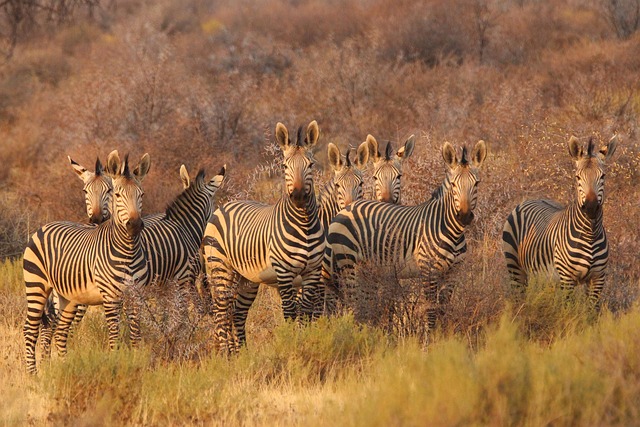
South Africa and Zimbabwe, two neighboring countries in Southern Africa, offer distinct yet equally captivating wildlife experiences, each showcasing a diverse ecosystem. Exploring these regions provides an opportunity to witness the vast natural beauty that sets them apart, from the iconic landscapes of South Africa’s national parks to the remote wilderness areas of Zimbabwe. This comparison delves into the unique characteristics of each country, highlighting their respective strengths for wildlife enthusiasts and nature lovers.
South Africa boasts a wide range of top tourist attractions, many centered around its diverse ecosystems. The country is renowned for its abundant wildlife, including the Big Five (lion, leopard, rhinoceros, elephant, and Cape buffalo) that inhabit vast reserves like Kruger National Park. This digital divide between South Africa’s well-connected cities and remote wilderness areas offers both advantages and challenges. While modern infrastructure facilitates easy access to information and educational resources for urban residents, rural areas face challenges in providing consistent internet connectivity, impacting wildlife habitat monitoring and education programs. However, initiatives focused on bridging this gap are gaining momentum, ensuring that local communities and tourists alike can appreciate the country’s rich natural heritage.
Zimbabwe presents a different ecological narrative with its vast wilderness areas and unique ecosystems. The country is home to several national parks, such as Hwange National Park, one of Africa’s largest game reserves. Zimbabwe’s remote locations offer a more secluded wildlife experience, allowing visitors to immerse themselves in untouched landscapes. Unlike South Africa, Zimbabwe has made significant strides in leveraging technology for conservation efforts. Digital platforms and applications provide tourists with real-time information about wildlife movement and habitat changes, enhancing their safari experience while contributing to research. This innovative approach underscores the country’s commitment to balancing tourism and environmental preservation.
In terms of cultural exploration, both countries offer rich traditions. Zimbabwe’s vibrant music and dance scenes, often characterized by traditional rhythms and costumes, provide a glimpse into its diverse ethnic groups. South Africa, known for its dynamic cultural landscape, showcases similar richness through its music and dance in southern African countries, reflecting the nation’s multicultural heritage. By engaging with local communities, visitors can gain deeper insights into these cultures and their relationship with the land, fostering a more meaningful connection to the region’s natural and human histories.
Top Safari Destinations: A Comparative Guide
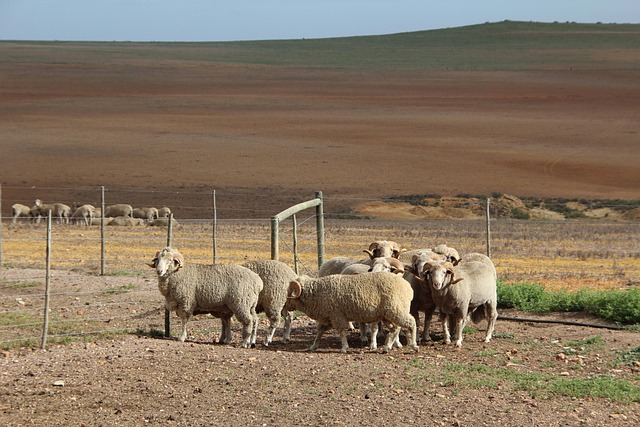
When considering the best wildlife safaris in South Africa vs Zimbabwe, both countries offer unparalleled opportunities to witness breathtaking landscapes and diverse wildlife. However, each presents unique experiences shaped by their distinct histories, physical characteristics, and cultural dynamics.
South Africa, with its diverse ecosystems ranging from lush forests to arid savannas, is renowned for its extensive game reserves like Kruger National Park—one of the largest and most popular in Africa. The country’s political landscape has seen significant efforts towards e-governance initiatives and mobile money systems, reflecting a modern approach to conservation funding and community engagement. Additionally, South Africa’s diverse population includes recognized achievements in women’s empowerment, though gaps remain, particularly in rural areas where traditional gender roles can still heavily influence decision-making around land use and natural resource management. Life expectancy trends indicate improvements but variations among different demographics, highlighting the need for tailored health initiatives.
Zimbabwe, on the other hand, boasts spectacular wilderness areas like Hwange National Park, known for its vast elephant populations and diverse bird species. The country’s physical geography, characterized by rugged mountains and expansive plains, offers a distinct aesthetic compared to South Africa’s coastal regions and dramatic landscapes. Zimbabwe’s political history has been marked by challenges, which have influenced community dynamics and access to natural resources. However, the nation is making strides in e-governance and mobile money adoption, providing new avenues for local communities to benefit from tourism revenue. In terms of gender roles, traditional practices still persist, but there are encouraging signs of progress in women’s empowerment initiatives, particularly through organizations focused on sustainable development and conservation efforts.
Ultimately, both South Africa and Zimbabwe offer unforgettable safari experiences. Travelers should consider their priorities—whether it’s the sheer size and diversity of game reserves in South Africa or the raw beauty and unique wildlife of Zimbabwe’s national parks. Exploring these destinations provides an opportunity to appreciate not only the natural wonders but also the cultural richness and historical contexts that shape each country’s relationship with its environment, as evidenced by their respective approaches to e-governance, mobile money systems, and progress on women’s empowerment: achievements and gaps.
Wildlife Encounters: Ununique Experiences in Each Country
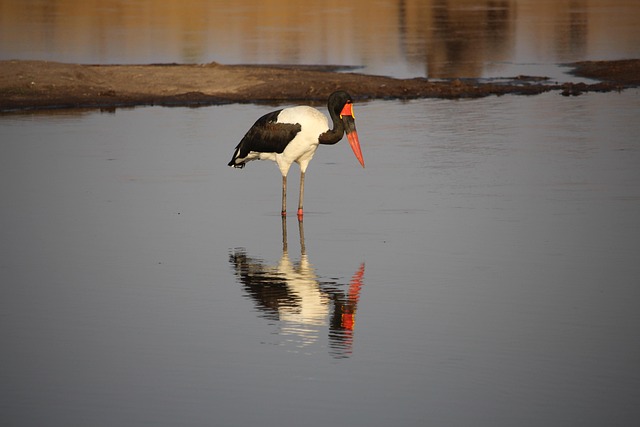
South Africa and Zimbabwe, two neighboring nations on the continent of Africa, offer distinct yet captivating wildlife experiences for visitors. When comparing the best wildlife safaris between these countries, one quickly realizes that each presents unique encounters shaped by their respective ecosystems, cultural histories, and conservation efforts. This comparison delves into the intricate differences and similarities, highlighting why both destinations are renowned worldwide for their wild landscapes and abundant biodiversity.
South Africa boasts a diverse range of ecosystems, from the vast savannas of Kruger National Park to the lush forests of the Garden Route. Wildlife encounters here are characterized by a high concentration of iconic species such as lions, elephants, and rhinos, many of which have adapted to shared spaces due to conservation initiatives. The country’s rich cultural heritage, including the influence of the Zulu Kingdom, adds depth to the safari experience. Visitors can engage with local communities, learn about traditional practices, and explore cultural sites that weave a narrative into their natural surroundings. For instance, the Addo Elephant National Park offers not only elephant encounters but also insights into the area’s rich history, accessible through guided tours. South Africa’s well-established tourism infrastructure provides excellent accommodation options, from luxury lodges to budget-friendly camps, catering to various preferences and budgets.
In contrast, Zimbabwe presents a different wildlife encounter, often characterized by more intimate and authentic interactions. The country is home to several renowned national parks, including Hwange National Park, known for its diverse range of animals and impressive elephant populations. Zimbabwe’s landscapes offer a mix of savannas, riverine forests, and rugged mountains, creating microclimates that support unique species diversity. Here, visitors can explore game reserves where migration patterns are influenced by the country’s diverse geography. The Victoria Falls region, a UNESCO World Heritage Site, offers a multifaceted experience with its breathtaking waterfalls and rich cultural heritage, including historical sites linked to the colonial era and traditional Shona communities. Zimbabwe’s relative remoteness from major urban centers fosters a sense of untouched wilderness, appealing to adventurers seeking authentic off-the-beaten-path experiences.
When considering south Africa vs Zimbabwe naturally, it becomes evident that both countries offer remarkable wildlife safaris with unique selling points. South Africa excels in its diverse ecosystems and cultural immersion opportunities, while Zimbabwe shines through more intimate encounters and pristine landscapes. For eco-conscious travelers, both nations provide excellent ecotourism opportunities, allowing visitors to contribute positively to local conservation efforts and engage with the cultural heritage of these vibrant nations. Whether one chooses to explore the vast savannas of South Africa or immerse themselves in Zimbabwe’s untamed wilderness, they are sure to return home with unforgettable memories. For a deeper dive into these destinations, visit us at galleries, artists, and cultural exchange—experiences that complement the raw beauty of nature and offer a holistic understanding of these remarkable countries.
Conservation Efforts and Ethical Practices: South Africa vs Zimbabwe
South Africa and Zimbabwe both boast remarkable biodiversity and offer world-class wildlife safari experiences, but they differ significantly in their conservation efforts and ethical practices. South Africa, with its advanced democratic systems, has implemented robust measures to protect endangered species while promoting sustainable tourism. The country’s social dynamics influence crime rates, particularly in rural areas, where poaching remains a persistent challenge despite stringent anti-poaching operations. However, innovative initiatives like the Black Economic Empowerment (BEE) program aim to address these issues by involving local communities in conservation efforts and providing economic opportunities.
In contrast, Zimbabwe has faced unique challenges due to political instability and deforestation in certain regions. Despite these setbacks, the country has made notable strides in wildlife conservation, particularly through dedicated national parks like Hwange National Park. Zimbabwe’s democratic systems, though often fraught with controversy, have enabled community-based natural resource management, fostering a sense of ownership among local populations. However, social dynamics here also play a role in criminal activities, with illegal hunting and trafficking fueled by economic disparities.
Comparing south africa vs zimbabwe, visitors will encounter distinct experiences. South Africa’s modern infrastructure and urban settings offer luxury safaris and easy access to diverse ecosystems. Zimbabwe, on the other hand, presents a more traditional safari experience in its vast rural landscapes. While both nations have made efforts to combat deforestation and promote sustainable practices, visiting us at these destinations allows tourists to contribute positively by choosing eco-conscious operators committed to preserving the region’s unique wildlife and habitats for future generations.
Planning Your Safari: Practical Tips for Both Countries
When planning a wildlife safari between South Africa and Zimbabwe, understanding the unique characteristics of each country is crucial for an enriching experience. Both nations boast vibrant ecosystems, but their differing landscapes and animal populations offer distinct safaris. For instance, South Africa’s diverse habitats range from lush forests to arid savannas, home to iconic species like lions, elephants, and rare black rhinos. Zimbabwe, with its vast and ancient landscapes, is renowned for the majestic Victoria Falls and abundant wildlife, including a thriving elephant population and the powerful Big Five.
In terms of practical planning, each country presents different challenges and opportunities. South Africa’s democratic systems offer robust tourism infrastructure, with well-established national parks and numerous guided safaris catering to diverse budgets. The country’s internal and cross-border migration patterns influence wildlife distribution, making it beneficial for visitors to consult local guides on the best times to witness specific species. Conversely, Zimbabwe’s smallholder farming system, contrasting with its industrial counterparts in South Africa, contributes to a more intimate safari experience. This can result in unique encounters, but travelers should be prepared for varying levels of amenities and services.
Art lovers will find common ground in both nations’ contemporary art movements, offering cultural insights alongside wildlife adventures. South African artists explore diverse themes, from the rich heritage of indigenous cultures to the complexities of urban landscapes, while Zimbabwe’s artistic scene reflects its natural wonders and historical narratives. When deciding between these destinations, consider your preferences for landscape, animal encounters, and cultural immersion. For instance, a safari in Zimbabwe’s national parks might offer more opportunities to observe large herds of elephants due to migration patterns, while South Africa could provide closer interactions with contemporary art communities. Ultimately, whether you choose South Africa vs. Zimbabwe depends on personal interests and the type of safari experience you seek.
For expert advice tailored to your needs, give us a call at Crop Production: SA’s industrial farming vs. Zim’s smallholder system can offer unique insights into the regional differences. With careful planning, both countries promise unforgettable wildlife encounters and cultural discoveries.
In comparing south africa vs zimbabwe for wildlife safaris, this article has illuminated distinct yet complementary strengths in each nation’s ecological offerings. South Africa boasts diverse ecosystems, from lush grasslands to rugged coastlines, supporting a vast array of wildlife. Zimbabwe, on the other hand, is renowned for its pristine wilderness areas, particularly the iconic Victoria Falls and the expansive savannas of Hwange National Park. Each country offers unique wildlife encounters, with conservation efforts prioritizing sustainable practices and ethical tourism. For planners considering a safari in south africa vs zimbabwe, key takeaways include understanding local regulations, booking with reputable operators, and respecting the natural habitats. Ultimately, both destinations provide indelible experiences, allowing visitors to witness the breathtaking beauty of Africa’s wildlife in their natural settings.